
Free Forex Trading Guide for South Africans
🌍 Discover how to trade forex in South Africa without upfront costs. Learn about free platforms, local rules, and practical tips for beginners. 💹
Edited By
Chloe Whitman
Forex trading, the buying and selling of currencies, has gained traction among South Africans seeking extra income or investment diversification. But with the market’s fast pace and stories of scams, many ask: is forex trading really legitimate?
Understanding the basics helps clear the fog. Legitimate forex trading involves trading currency pairs like USD/ZAR, where you speculate on whether the rand will strengthen or weaken against the dollar. Trades typically happen through licensed brokers regulated by bodies like the Financial Sector Conduct Authority (FSCA) in South Africa.
Real forex brokers offer transparency, regulated platforms, and clear fee structures. If a broker promises guaranteed returns or pushes you to invest hefty sums quickly, be cautious. Such red flags often indicate scams.
Unlike the Johannesburg Stock Exchange (JSE), the forex market runs 24 hours on trading weekdays, with high liquidity and volatility – factors that can lead to both quick profits and significant losses.
South Africans should note a few practical points:
Choose FSCA-regulated brokers only. This ensures legal oversight.
Beware of offshore brokers without local licences; while not illegal, accessing South African consumer protection is trickier.
Start with demo accounts to understand dynamics without risking real money.
Avoid promises of fixed or high returns—the market’s unpredictable.
Many traders use forex as a side venture, but it’s not a surefire moneymaker. Losses can mount fast, especially if one uses high leverage or ignores risk management. That said, for those who educate themselves, approach trading with discipline, and keep expectations realistic, forex trading can be part of a legitimate financial plan.
In South Africa’s current economic climate—with rand fluctuations affected by political events, commodity prices, and Eskom’s loadshedding—forex markets offer opportunities, but also challenges. Knowing what’s real helps you decide if it fits your goals and tolerance.
Next, we'll explore how regulated brokers operate and how to spot the scams you need to avoid.
Grasping the basics of forex trading is essential if you want to navigate this market with confidence. It’s not just about buying and selling currencies; understanding how it all works helps you make informed decisions and avoid costly mistakes. As a South African trader, knowing the nuts and bolts can be the difference between success and frustration.
The forex market is where global currencies are exchanged — South African rand (ZAR), US dollar (USD), euro (EUR), British pound (GBP), Japanese yen (JPY) and many others. Traders focus on major currencies because they’re liquid and easier to trade, but emerging market currencies like the rand can offer unique opportunities — although often with higher risk due to volatility.
Currencies are traded in pairs, such as USD/ZAR or EUR/USD. The first currency is the base, and the second is the quote. If the USD/ZAR pair is at 18.40, it means R18.40 is needed to buy 1 USD. Traders bet on whether the base currency will strengthen or weaken against the quote. This setup is straightforward but requires a good understanding of how global events and South African economic factors influence these values.
The forex market runs 24/5, opening Sunday evening SAST and closing Friday evening. This continuous operation happens across global financial hubs: Sydney, Tokyo, London, and New York. Liquidity peaks during overlapping sessions, such as London and New York, meaning tighter spreads and better pricing. South African traders need to be aware of these time overlaps to choose the best trading hours and manage risks, especially with local events or Eskom load shedding sometimes affecting online connectivity.
Forex brokers act as the bridge between you and the global forex market. They offer trading platforms like MetaTrader 4, MetaTrader 5, or web-based apps where you place trades. These brokers provide access, execute orders, and sometimes offer tools like charting or analysis. When choosing a broker in SA, it's vital to look for those registered with the Financial Sector Conduct Authority (FSCA) to avoid fraud and ensure proper customer protection.
Brokers usually offer various account types, from beginner-friendly micro accounts allowing small trades, to standard or professional ones with higher minimum deposits. Leverage lets you control a bigger position with a smaller deposit — for example, 1:100 leverage means you can trade R1,000 as if it were R100,000. While leverage can amplify profits, it also magnifies losses, so it's smart to start small and only use leverage that suits your risk tolerance.
Several strategies are common among forex traders. Scalping involves quick, small trades aiming to profit from minor price moves, usually within minutes. Swing trading positions are held for days, looking to catch larger price swings. Some traders use technical analysis tools like moving averages or RSI (Relative Strength Index) to time entries and exits. Regardless of strategy, consistency and risk management matter more than chasing quick wins.
Understanding these fundamentals equips South Africans to make practical decisions about forex trading — without getting caught up in hype or scams. Knowing what’s behind the scenes helps you trade smarter and protect your hard-earned Rands.
Many South Africans eye forex trading as a way to profit from currency swings, but questions about its legitimacy often pop up. Understanding whether forex trading is legitimate here matters because of the risks involved and the presence of both reputable brokers and scams. This section breaks down the local regulatory environment, explains key legal safeguards, and guides you on spotting genuine brokers to help you trade with confidence.
The FSCA is South Africa’s key watchdog for financial services, including forex brokers. Its role is to protect consumers by ensuring brokers follow the rules, behave fairly, and manage risks properly. If a broker is FSCA-registered, it means they meet certain standards around transparency and capital requirements. For you, this adds a layer of trust that the broker you choose operates within the law and isn’t likely to disappear with your money.
Forex brokers in South Africa must be licensed by the FSCA to legally offer trading services locally. This licence ensures brokers have adequate finances, risk controls, and a compliant business model. Without it, brokers might not provide fair trading conditions or proper client protection. South Africans should steer clear of firms without FSCA approval, as dealing with unlicensed brokers can expose traders to fraud, delays in withdrawals, and no recourse if things go wrong.
The Regulation of Interception of Communications and Provision of Communication-Related Information Act (RICA) and the Financial Intelligence Centre Act (FICA) require forex brokers to verify their clients' identities. This means you’ll need to provide proof of ID and address before trading. While it may feel like a hassle, these checks help prevent money laundering and fraud, protecting both you and the broader market.
You can find authorised brokers listed on the FSCA’s official register—this is your first stop to confirm legitimacy. Some well-known brokers operating legally in South Africa include local branches or affiliates of global firms like IG Markets or Plus500. Their inclusion on the register means they comply with local laws and are subject to oversight, reducing risk.
Beware brokers promising guaranteed returns or huge profits with little effort—these are red flags. Other signs include unclear fee structures, poor communication, pressure to increase deposits quickly, and lack of physical office details. Scammers often use flashy marketing or sound too good to be true, targeting inexperienced traders.
Besides checking the FSCA register, verify if the broker provides clear contact details, audited financial reports, and client fund protection measures like segregated accounts. Reviews from other South African traders and feedback on forums like MyBroadband or Reddit can also shed light on their reputation. Always confirm you’re dealing with the exact company listed by the FSCA, as some fraudsters mimic legitimate broker names.
Choosing a broker who meets regulatory requirements and demonstrates transparency is your best defence against scams and unnecessary losses in the forex market.
Navigating forex trading in South Africa requires care but knowing where to look for authorised brokers and understanding the legal safeguards helps you make a smarter choice. With this grounding, you can weigh the opportunities and risks of forex trading properly.
Forex trading carries several risks and challenges that South African traders should know upfront. While hoping to profit from currency movements, it's vital to stay grounded about the potential downsides. Knowing these risks helps you make smarter decisions and avoid common pitfalls.
Forex isn’t a guaranteed way to earn money. The values of currencies can swing sharply, and if you misjudge the market, you can lose the money you put in—and sometimes more. For instance, a trader who buys USD/ZAR expecting the rand to weaken might be caught off guard by sudden political developments driving the rand stronger, wiping out their investment. This risk means it's wise only to trade money you can afford to lose.
Leverage means trading with borrowed money to amplify potential profits. Many brokers offer high leverage ratios, sometimes up to 1:100 or more. While this might sound good, it also multiplies your losses. Imagine putting down R1,000 but trading as if you have R100,000; a 1% move against your position could wipe out your initial amount. South African traders using leverage need to be cautious, using stop-loss orders to cap losses and avoid aggressive positions that can lead to blowing up an account quickly.
Currency values react to a wide range of economic events—interest rate changes by the South African Reserve Bank (SARB), employment stats, inflation data, and geopolitical developments. For example, an unexpected decision by SARB to cut rates to stimulate the economy can weaken the rand. Similarly, troubles in global markets or major trading partners like China can affect rand demand. Keeping up with economic news and understanding these drivers is essential for making informed trades rather than guessing.
Using brokers not regulated by the Financial Sector Conduct Authority (FSCA) in South Africa exposes traders to significant risks. These brokers might not follow proper controls, delaying withdrawals or manipulating prices. South African traders have lost money to such firms where the broker simply disappears or refuses payout. Sticking to FSCA-approved brokers offers a level of protection.
Some South Africans trade through offshore brokers attracted by higher leverage or different product offerings. These firms may fall outside FSCA jurisdiction, making dispute resolution tricky. For example, if an offshore broker imposes unfair terms or executes trades against your interest, recovering funds can be a long, complicated process that South African law doesn’t easily resolve. While not all offshore brokers are bad, the legal risks must be weighed carefully.
Any profits from forex trading are subject to South African tax laws. Traders must declare earnings to the South African Revenue Service (SARS) and keep detailed records. Failure to report forex income can lead to penalties. Furthermore, because forex trading can involve frequent transactions, keeping track of gains and losses requires discipline. Engaging a tax expert familiar with trading income is advisable to ensure compliance and take advantage of any allowable deductions.
Trading forex in South Africa requires awareness not just of the market movements but also the regulatory and financial hazards involved. Knowing your risks can save you from costly mistakes and help you trade smarter.
Clear understanding and cautious approach to these risks position South African traders better for success or at least protect their capital from unnecessary harm.
Trading forex can be tempting, especially with stories of quick profits. However, the reality is that without proper protection and responsibility, you could end up losing your hard-earned Rands. This section highlights steps you can take to stay safe and trade smart, focusing on due diligence, managing risk, and keeping informed.
Before you deposit money with a forex broker, always confirm they’re registered with the Financial Sector Conduct Authority (FSCA). This South African regulator sets rules to protect traders from scams and ensures brokers meet certain standards. If a broker isn’t registered, you risk dealing with unscrupulous operators who may vanish with your funds. For instance, an FSCA-registered broker must have transparent practices, keeping client funds safe and offering fair trading conditions.
Looking at reviews and feedback from other traders can give you valuable insights that official registration alone doesn’t cover. Pay attention to complaints about withdrawal delays, hidden fees, or poor customer support. Of course, no broker will have perfect reviews, but spotting consistent issues should raise a red flag. For example, if multiple traders complain about a broker freezing accounts without explanation, it’s best to steer clear.
Many traders dive in without reading the fine print. The broker’s terms and conditions spell out essential details like withdrawal rules, margin calls, or how commissions work. Skipping these can lead to unexpected charges or restrictions. Take time to understand what you’re agreeing to — a good broker will make this information clear and accessible, not buried in complex legal language.
Stop-loss orders let you cap potential losses by automatically closing a trade once it hits a certain price level. This tool helps protect your capital when the market moves against you unexpectedly. For example, if you buy USD/ZAR at 18.50 but set a stop-loss at 18.30, your trade closes automatically to avoid bigger losses. It’s a simple yet powerful way to manage risk.
It’s easy to get caught up in the excitement, but remember: only invest money you can afford to lose. Forex trading is volatile; even experienced traders can face losses. Don’t use funds meant for essentials like rent or groceries. Keeping your trading capital separate from daily expenses reduces pressure and helps you make clearer decisions.
Most reputable brokers offer demo accounts with virtual money. These let you practise trading without risking real capital. It’s especially helpful for learning how the platform works, testing strategies, and getting comfortable with market behaviour. Before committing your Rands, spend ample time on demo trading to reduce avoidable mistakes.
Forex markets react to many factors daily, so staying updated helps you make smarter moves. Follow credible financial news outlets and South African sources reporting on local and global economic developments. Avoid relying only on social media hype or unverified tips, which can lead you astray.
Key announcements, like interest rate decisions or inflation figures released by the South African Reserve Bank (SARB), can cause sharp currency movements. Knowing how to interpret this information helps you anticipate market reactions instead of being blindsided. For instance, a surprise SARB rate cut might weaken the Rand, which affects your USD/ZAR trades.
Investing time in proper education pays dividends. South Africa offers various forex training programmes, from online courses to in-person workshops. These courses cover technical analysis, fundamental analysis, and risk management techniques tailored to local traders. Joining such programmes can turn a novice into a knowledgeable trader, better prepared to handle market changes.
Protecting yourself doesn’t just mean avoiding scams—it’s also about trading with discipline, keeping informed, and controlling risk so you can grow your forex experience sustainably.
By following these practical steps, you can trade forex more responsibly, reducing pitfalls while giving yourself a better shot at success.
Making a clear, informed decision about participating in forex trading is essential for anyone looking to engage with this financial market. The volatile nature and technical complexity of forex mean that it’s not suitable for everyone, which is why understanding both the opportunities and hazards is crucial before putting your money at risk.
Forex remains a legitimate financial activity, but calling it a low-risk option would be misleading. Its appeal lies in the chance to profit from currency fluctuations, which happen around the clock due to global economic events. However, this same volatility turns against traders who lack strong risk management skills or adequate market knowledge.
Regulation plays a serious role here. Choosing a broker licensed by the Financial Sector Conduct Authority (FSCA) helps protect your investment from scams or questionable practices. For example, platforms authorised in South Africa follow strict rules designed to provide transparency and safeguard client funds. Without this, you risk dealing with unregulated operators who might manipulate spreads or delay withdrawals, which has ruined many traders' experiences.
Patience and education should not be overlooked. Trading forex without a solid grasp of strategies, indicators, and economic impacts is like setting off on a road trip without a map. Starting with demo accounts, attending courses, or following respected local resources can help you build confidence before committing real funds. Practical experience paired with ongoing learning will improve your chances of navigating the market more successfully.
For South Africans seeking less risky avenues to grow their money, unit trusts and exchange-traded funds (ETFs) offer more stability. These vehicles pool money from many investors to buy a diversified portfolio of shares or bonds, spreading risk across various sectors. Platforms like Sygnia or 10X Investments provide accessible options tailored to local market conditions and costs.
Property remains a popular asset class as well. Buying a home or rental flat in growing suburbs or townships can provide capital growth and rental income over time. Meanwhile, retirement annuities focus on long-term wealth creation with tax benefits and professional fund management, helping build a safety net for later life.
Lastly, South African investors benefit from tailored savings plans such as tax-free savings accounts (TFSAs), which encourage disciplined investing without tax penalties on returns. These, alongside unit trusts and real estate, form a balanced approach to wealth building that doesn’t rely on the fast-paced, high-risk environment of forex.
Carefully weighing the potential rewards against the inherent risks, and understanding your options, will empower you to make sound financial decisions.
Making an informed choice means recognising that forex trading isn’t a guaranteed path to wealth but can be part of a broader investment strategy if approached wisely and cautiously.
🌍 Discover how to trade forex in South Africa without upfront costs. Learn about free platforms, local rules, and practical tips for beginners. 💹
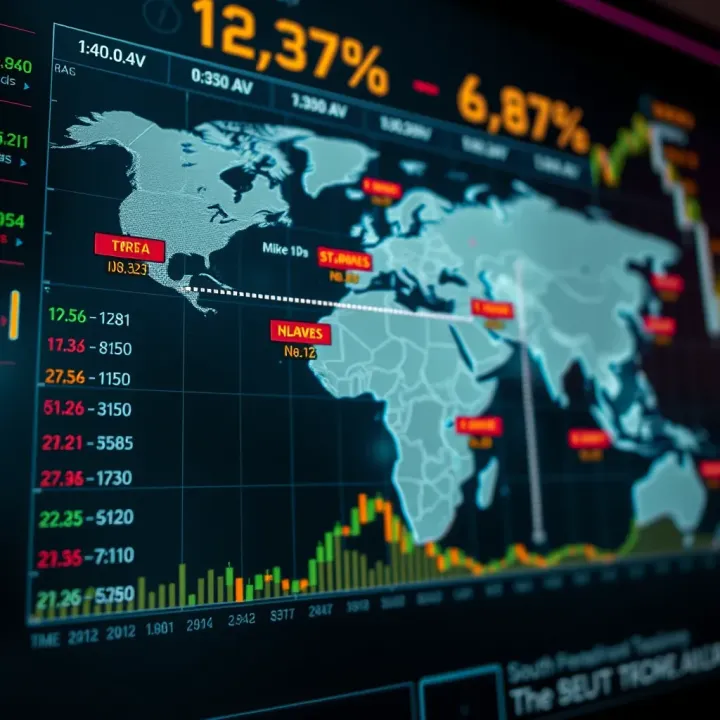
📈 Explore forex trading sessions from a South African viewpoint, learning how global market hours and overlap impact your strategies for better results.
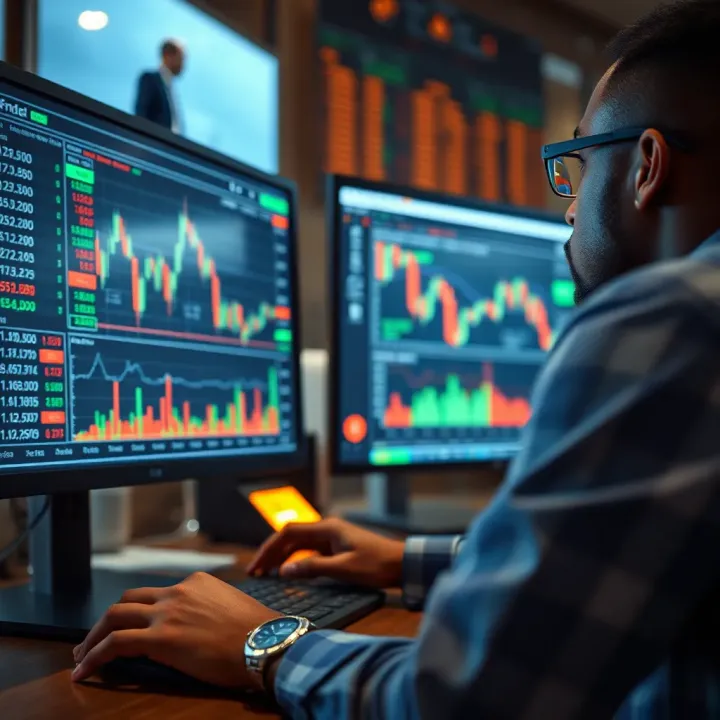
Discover practical forex trading tips for South African traders 🇿🇦, including strategies, risk control, market analysis, and mindset for better results 📈💡.
🌍 Explore top forex trading schools in South Africa! Learn course options, practical training, and how ongoing education boosts your trading skills. 📈
Based on 9 reviews