
Forex Trading Tutorials for Beginners and Beyond
📈 Master forex trading with step-by-step tutorials for every skill level. Learn market basics, analysis, risk management, and trading platforms confidently.
Edited By
Ethan Clarke
Forex trading can seem like a tough nut to crack, especially with all the charts and numbers flying around. But for South African traders, understanding trading indicators is key to making smarter moves in the forex market. These indicators are tools that help you spot trends, measure momentum, and set sensible entry or exit points for your trades.
In South Africa, traders face unique challenges such as the impact of the rand's volatility, fluctuations brought about by global commodity prices, and of course, market hours that affect liquidity. Using indicators wisely can help you read these local market signals better.
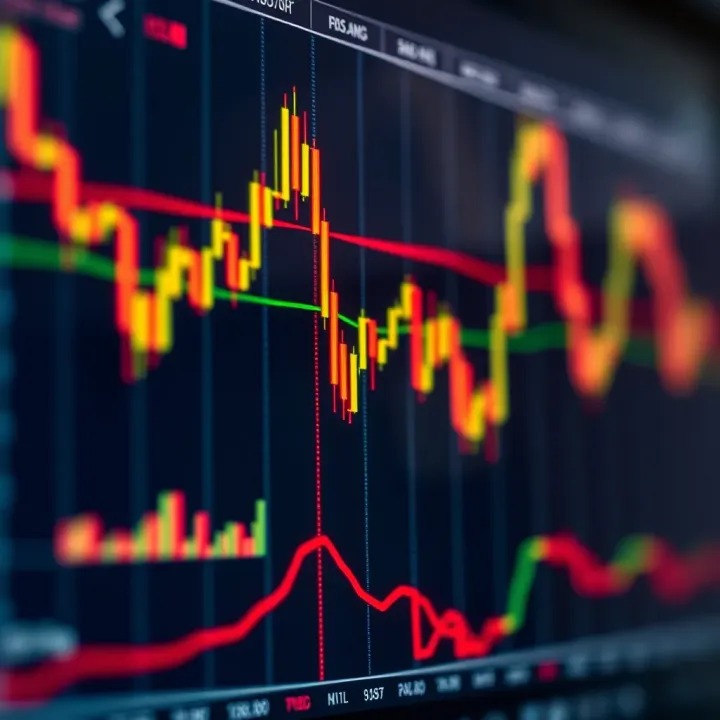
There are three main types of forex indicators South African traders should know:
Trend indicators: These show the direction of price movement. The Moving Average (MA) is a popular example. For instance, the 50-day MA can highlight a medium-term trend in the USD/ZAR pair.
Momentum indicators: Indicators like the Relative Strength Index (RSI) measure how quickly prices change, giving clues about potential overbought or oversold conditions.
Volatility indicators: The Average True Range (ATR) shows how much the price swings, which can be crucial for setting stop-loss levels, especially given the rand’s sometimes choppy behaviour.
Knowing which indicators to apply depends largely on your trading style and horizon. A scalper might focus on short-term momentum indicators, whereas a swing trader often relies on trend indicators combined with volatility measures.
Choosing the right indicator also involves testing them against the South African market backdrop—the rand’s interaction with major currencies like the US dollar and euro, and events such as SARB’s interest rate decisions or political developments.
Practical tip: Start with no more than two indicators to avoid overload. For example, combine the Moving Average to spot the trend and the RSI to confirm momentum before placing a trade.
By getting a solid grip on how these indicators work and tailoring their use to local conditions, you’ll trade with more confidence and less guesswork.
Forex trading indicators are tools that show various aspects of market behaviour, helping traders make sense of the often volatile forex market. They crunch price, volume, or historical data into visual signals or numbers, guiding your trading decisions. For South African traders navigating the complexities of currency pairs like USD/ZAR or EUR/ZAR, knowing how to interpret these indicators is a vital skill.
At their core, forex trading indicators are mathematical calculations based on the price, volume, or open interest of a currency pair. They serve to simplify complex data and highlight market trends, momentum, or volatility. Take, for example, the Moving Average. It smooths out price fluctuations to show an overall trend direction, which can be more reliable than staring at raw price charts.
Indicators are mostly used to understand the potential direction or strength of price movement rather than the absolute price itself. This means they're not about giving a guaranteed signal but helping you see probable outcomes. For instance, if the Relative Strength Index (RSI) suggests a currency pair is overbought, it might be time to consider selling or tightening stop-loss orders.
Market data is a sea of numbers—prices, volumes, highs, lows—updated every second. Indicators turn this raw data into digestible information, showing patterns or warning signs unclear at first glance. Without them, traders might miss key signals buried in noise, leading to poorly timed trades.
For example, Bollinger Bands provide insight into volatility by plotting bands around a moving average. When the bands widen, it signals increased volatility; when they squeeze, market quietness or potential breakouts might be near. Such visual hints can be the difference between catching a move early or reacting too late.
Indicators fall into two broad groups: leading and lagging. Both have their place, but understanding their nature helps pick the right tool for your trading style.
Leading indicators aim to predict future price movements. They provide signals ahead of market changes, allowing traders to anticipate shifts before they happen. For example, the Stochastic Oscillator compares a currency's closing price to its price range over a set period, flagging potential reversals early.
That said, leading indicators can sometimes send false alarms, signalling moves that don't materialise, especially in choppy markets. For South African traders dealing with the ZAR’s unique volatility around economic releases or load shedding interruptions, relying solely on leading indicators risks chasing false signals.
Lagging indicators, in contrast, confirm trends once they’ve started. Moving averages, for instance, track average prices over time, clearly showing if a trend is established but only after some delay. This approach reduces noise and helps avoid premature entries.
Although lagging indicators may cause you to enter late, they provide valuable confirmation, which is handy when trading heavily impacted pairs like the USD/ZAR, where false breaks are common.
Choosing between leading and lagging depends on your trading goals. Day traders or scalpers often prefer leading indicators to catch quick moves. Swing traders might lean towards lagging indicators to confirm broader market trends before committing.
Also, combining the two can balance out drawbacks. For instance, a trader could use a moving average to confirm a trend and a stochastic oscillator to time entries or exits. This mix helps manage risks better and improve trading precision.
Knowing when and how to use different indicators can save you from costly mistakes and help you trade the ZAR pairs effectively despite local market quirks.
In short, understanding forex trading indicators is a stepping stone to making informed trades rather than guesses. They offer clarity amidst market chaos—a tool you cannot afford to skip if you want to trade forex like a pro in South Africa.
In forex trading, indicators serve as vital tools that help traders sift through price data to spot potential entry and exit points. Popular forex indicators are favoured because they distil complex market movements into readable patterns or signals, making your trading decisions less guesswork and more data-backed. For South African traders, who often face volatile markets and the unique timing of local economic events, understanding how these indicators work can be a real advantage.
Moving averages and their variations help smooth out price fluctuations by averaging recent price data over a set period. The simple moving average (SMA), for example, calculates the average closing price over a certain number of days, like 50 or 200. This gives a clear view of the prevailing market direction. In practice, South African traders might watch how the 200-day SMA interacts with the price of USD/ZAR to judge long-term trends, especially around major local news announcements.
Different types like the exponential moving average (EMA) give more weight to recent prices, responding faster to price changes. This helps when trading volatile pairs or during busy trading hours, such as when the JSE opens.
MACD (Moving Average Convergence Divergence) is a handy trend-following indicator that shows the relationship between two moving averages (usually the 12-day and 26-day EMA). It helps traders identify momentum shifts and potential trend reversals. When the MACD line crosses above the signal line, it can signal a buying opportunity; a cross below might mean it’s time to sell. For instance, a trader watching EUR/ZAR can use MACD signals combined with local economic data releases to fine-tune entries and exits.
The Relative Strength Index (RSI) measures the speed and change of price movements to gauge overbought or oversold conditions. Typically plotted on a scale from 0 to 100, an RSI above 70 indicates that a currency pair might be overbought, while below 30 suggests it could be oversold. This can be particularly useful during periods of high volatility, such as around South Africa’s budget announcement, helping you avoid buying at the peak or selling at the trough.
The Stochastic Oscillator compares a currency’s closing price to its price range over a specific time. It offers insight into potential trend reversals by signalling when the market’s momentum is slowing. For example, if the stochastic lines cross below 80 from a high point, it suggests selling pressure may increase. Many traders use this indicator on shorter time frames like four-hour charts when monitoring USD/ZAR during volatile sessions.
Bollinger Bands fit two standard deviation lines above and below a moving average, measuring market volatility. When the bands tighten, it signals low volatility, often preceding a sharp price movement. Conversely, bands that widen suggest high volatility. For traders dealing with sudden Eskom-related market shocks, Bollinger Bands can offer clues on when a breakout is about to happen.
The Average True Range (ATR) calculates the average price range over a chosen period, reflecting how much a currency pair moves on average each day. ATR is invaluable for setting realistic stop-loss and take-profit levels based on current market volatility rather than guesses. A trader navigating the often bumpy rand might set wider stops during periods of high ATR to avoid getting stopped out prematurely.
Using these indicators in combination and understanding their signals in the context of local South African events and market hours helps improve trading accuracy and risk management.
With these popular indicators under your belt, you’re better positioned to read the market’s pulse and trade smarter on the forex floor.
Integrating forex indicators into a trading strategy isn't just about stacking tools; it's about creating a system that provides clearer market insights and more confident decision-making. For South African traders, blending indicators properly helps navigate volatile pairs like the ZAR/USD and ZAR/EUR, whose moves can be sharp due to local economic shifts or global influences.
Using multiple indicators together can offer a more rounded view than relying on just one. For instance, pairing a trend-following tool like a moving average with a momentum indicator such as the Relative Strength Index (RSI) helps confirm whether the trend is strong or weakening. This combo reduces the risk of entering a trade based on a false or short-lived signal.
However, combining indicators requires care to avoid getting conflicting signals. Imagine a scenario where an RSI suggests an overbought market, but a moving average hints the upward trend is still intact — acting on one without considering the other can lead to missteps. Traders should pick indicators that complement each other rather than repeat the same information in different forms.
Reading candlestick patterns alongside indicators adds context that numbers alone might miss. For example, if a Bollinger Band squeeze signals low volatility, spotting a bullish engulfing candle could suggest an imminent breakout. This combination helps traders avoid relying solely on historical data and instead read the market’s immediate sentiment.
Confirming signals before pulling the trigger on trades prevents rash moves. Instead of entering a position just because a single indicator flashes a signal, look for matching cues from price action or a second indicator. This cautious approach is especially useful in fast-moving markets, common in South African trading hours where global market overlaps can cause sudden shifts.
Volatility indicators like the Average True Range (ATR) are invaluable for defining stop-loss levels. By measuring how much the price typically moves, ATR helps set stops that allow room for natural market fluctuations without exposing you to excessive risk. For instance, if the ATR on the ZAR/USD pair is around 80 pips, setting a stop-loss too tight might get you stopped out on normal market noise.
Effective risk management means not just placing stops and targets but doing so based on market behaviour rather than arbitrary numbers. Good traders size their positions in line with their risk tolerance, often risking no more than 1-2% of trading capital per trade. This disciplined method helps protect your account over the long haul, especially when dealing with unpredictable market events like sudden changes in SARB policy or Eskom’s load shedding impact on sentiment.
Combining technical indicators thoughtfully within a broader strategy makes your trading sharper, reduces guesswork, and helps you manage risk in South Africa’s dynamic forex scene.
By weaving indicators together with price action and risk management, you create a practical toolkit suited to local market challenges and personal trading style.
Picking the right forex indicators matters because no single tool fits all trading styles or market conditions. South African traders face unique challenges—from ZAR volatility to local trading hours—that call for thoughtful indicator selection. The goal is to find indicators that align with your trading approach and reflect South Africa’s economic and technical landscape.
Day traders and swing traders have quite different needs when it comes to indicators. Day traders look for fast, sensitive signals that reflect short-term price movements since they open and close positions within the same day. Indicators like the Stochastic Oscillator or short-term moving averages work well here because they can capture quick shifts in momentum and trend.
Swing traders, on the other hand, hold positions for several days or weeks. They tend to prefer smoother, lagging indicators such as the Moving Average Convergence Divergence (MACD) or longer-term moving averages. These help filter out noise and pinpoint sustained trends, making it easier to hold through minor fluctuations.
Indicators also differ for long-term strategies. Investors focusing on months or years should favour fundamental data combined with trend-following indicators that highlight overarching market direction rather than daily swings. Tools like the 200-day moving average or the Relative Strength Index (RSI) over weekly charts offer a better picture of long-term market cycles.
South African traders must watch economic events that impact the rand (ZAR) heavily, such as SARB interest rate decisions, GDP reports, and trade balances. These events can cause sharp, sometimes unpredictable moves in currency pairs like USD/ZAR or EUR/ZAR. Using leading indicators around these announcements might help spot early momentum shifts.
Loadshedding adds an unusual layer of complexity. Since it disrupts internet connections and power supply, traders may miss timely execution of trades during scheduled outages. Because of this, some opt for indicators that provide clear signals ahead of these times or prefer platforms with offline execution features. Market hours also matter; South African traders often operate with a delay compared to major forex hubs, so indicators should be adjusted for their local trading sessions.
Popular platforms in South Africa include MetaTrader 4/5, TradingView, and local brokerage apps like IG South Africa or GT247.com. Each offers a range of indicators with differing degrees of customisation. MetaTrader remains a favourite because it handles complex indicator sets and automated trading well.
Customisable indicator options let traders tweak parameters like period length or smoothing methods to better fit South African market behaviour. For instance, adjusting the RSI period can help reduce false signals caused by ZAR volatility. Look for platforms that allow saving template setups and combining indicators seamlessly. This flexibility allows more precise strategies and better management of local market quirks.
Choosing forex indicators isn’t just about number crunching; it’s about matching tools to your style and the unique challenges of trading the rand. That way, you can make smarter, more confident trades.
Forex indicators are useful tools, but falling into common traps can lead to costly mistakes. Recognising these pitfalls helps you trade smarter — not harder — by using indicators effectively rather than blindly following them.
Why indicators are not foolproof: Indicators rely on historical data, so they can’t predict future moves perfectly. For instance, in fast-moving markets or during unexpected events—like a sudden spike in the rand due to a political announcement—indicators may give false signals. They don't guarantee success because they only describe what has already happened, sometimes with a lag.
Balancing with market context: It’s essential to weigh indicator signals against broader market conditions. Take the example of the RSI showing oversold conditions on the USD/ZAR pair. While this often hints at a reversal, ignoring economic releases or local news like Eskom’s loadshedding schedule may lead to entering trades at the wrong moment. Combining indicators with an understanding of market sentiment and event calendars creates a fuller picture.
Using indicators to support, not replace, risk controls: Indicators highlight potential entry and exit points but should never replace basic risk management strategies. For example, even if a moving average crossover suggests a long trade on EUR/ZAR, always use a stop-loss to safeguard against unexpected moves during volatile sessions or around maintenance of the South African Reserve Bank’s repo rate.
Examples of effective risk practices:
Position sizing: Allocate only a small portion of your trading capital per trade to limit losses.
Setting stop-loss limits using volatility indicators like Average True Range (ATR) helps place stops at logical levels rather than arbitrary points.
Avoiding revenge trading after a loss keeps emotional decisions at bay, protecting your broader portfolio.
Common misunderstandings: Traders sometimes confuse a temporary pullback in price for a full trend reversal, triggered by an indicator like MACD crossing below zero. Mistaking sideways market moves (consolidation) for trend changes causes premature trades that bleed capital.
Tips for accurate reading:
Always wait for multiple confirmations before acting—like combining candlestick patterns with momentum indicators.
Backtest indicator signals on historical data, especially with local currency pairs like USD/ZAR or GBP/ZAR, to understand their behaviour under different market conditions.
Keep an indicator journal, noting what signals worked and which failed, fine-tuning your strategy over time.
Remember: Indicators are signals, not guarantees. Pair them with market insight and solid risk control to avoid common trading traps.
By steering clear of these pitfalls, South African traders can make indicators work for them and not against them, improving confidence and consistency in forex trading.
📈 Master forex trading with step-by-step tutorials for every skill level. Learn market basics, analysis, risk management, and trading platforms confidently.
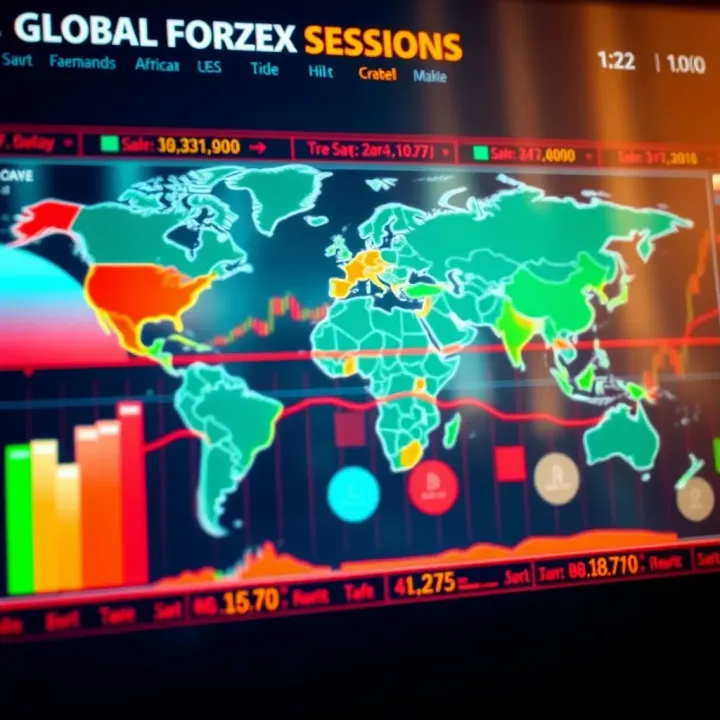
🌍 Learn how Forex trading sessions impact your strategy in South Africa 🇿🇦. Discover session traits, overlaps, and tips to boost your trades effectively.
📈 Master forex basics with this practical guide for South African traders. Learn market structure, risk management, reading pairs, and choosing brokers confidently.
📈 Learn forex trading basics tailored for South African traders. Discover key strategies, risk management tips, and resources to trade confidently and avoid common pitfalls.
Based on 15 reviews