
Choosing the Best Trading App in South Africa
Discover the best trading apps in South Africa 📱 Compare features, fees, security, and usability to find the perfect platform for your trading needs.
Edited By
Isabella Harper
Artificial intelligence (AI) is reshaping how financial markets operate, and Elon Musk’s involvement in AI-driven tech has stirred quite a bit of interest within trading circles. While Musk isn’t directly creating AI trading apps, his ventures like Tesla and Neuralink push advancements in AI that influence broader applications, including financial markets. This section sets the scene for understanding Musk’s indirect impact on AI trading and what South African traders and investors need to keep in mind.
AI trading apps use algorithms to process vast amounts of market data at speeds no human can match. By analysing trends and executing trades automatically, these platforms aim to optimise returns while managing risk. Musk’s public statements and investments in AI have helped increase the hype around such technologies, prompting more developers to explore AI-based trading solutions.
For South African investors, the appeal lies in several benefits:
Speed and efficiency: AI can execute trades within milliseconds, far quicker than manual approaches.
Data handling: It sifts through financial reports, news feeds, and global market movements to adjust strategies dynamically.
Accessibility: AI tools can give small investors a chance to tap into complex trading strategies once only available to institutional players.
That said, embracing AI in trading isn’t without risks:
Opaque decisions: Some AI algorithms work as ‘black boxes’, making it hard to understand why a trade is triggered.
Overreliance: Markets can behave unpredictably, and AI systems might not adapt well to sudden shocks like political shifts or load-shedding impacts.
Regulatory landscape: South African financial authorities are still developing clear rules around AI trading apps, which might affect their uptake and use.
For investors, it’s key to treat AI trading apps as tools—never a magic wand. Combining technology with sound judgment will be vital to navigating this evolving terrain.
In the following sections, we’ll break down how AI trading apps work, Musk’s influence on their development, and practical advice for South African users in a market prone to unique challenges like loadshedding and currency volatility.
Grasping how AI trading apps work is fundamental for anyone keen on making informed decisions in today's markets. These platforms rely on complex technologies that not only analyse vast amounts of data but also execute trades faster than any human could. For South African traders and investors, understanding these technological underpinnings means recognising both the edge and limitations AI brings to trading.
Machine learning algorithms form the backbone of AI trading apps. These algorithms learn from historical and real-time market data to identify patterns and trends that might escape a human eye. For example, an AI system may spot subtle price movements in the JSE or detect correlations between global events and local stock performance. This kind of analysis helps traders uncover opportunities early or flag potential risks.
Such algorithms continuously update their models as new data streams in, adapting to changing market conditions. This dynamic learning aspect gives AI platforms an advantage over static, rule-based trading strategies.
One of the biggest thrills (and advantages) of AI trading apps is their ability to process real-time data instantly. These platforms crunch numbers, news feeds, social media sentiment, and economic indicators all at once. Imagine a scenario where an unexpected announcement about Eskom's loadshedding stage triggers market volatility. AI systems can react within milliseconds, adjusting positions before most traders even register the news.
Speed is everything in trading, and the ability to act on fresh data without delay often means better prices and risk management. This rapid decision-making helps investors avoid slippage and capitalise on fleeting market inefficiencies.
AI trading apps automate numerous manual processes, from data entry to order execution. This automation eliminates delays caused by human intervention and emotions, such as hesitating or panic-selling. For instance, in volatile times, an automated AI app might rebalance your portfolio instantly, while a human might take longer to assess or second-guess.
Besides speed, automation reduces the chances of errors like misplaced trades or missed signals. It also frees traders to focus on strategy refinement rather than being bogged down in operational tasks.
Effective AI trading apps include built-in risk management tools that help protect your capital. These tools can set stop-loss limits, diversify exposure across asset classes, and monitor leverage. For example, the system might reduce exposure to risky shares if the model detects increasing volatility on local or international markets.
This layer of protection is critical in South Africa’s often unpredictable economic environment, ensuring traders don’t bite off more risk than they can chew.
A user-friendly interface lets traders interact smoothly with complex AI features. Good platforms display clear charts, intuitive dashboards, and straightforward controls for setting parameters like risk appetite or AI model preferences.
Whether you’re a novice or experienced trader, the design should make navigation easy, offering customisable views and alerts. This helps keep a close eye on positions, especially when multitasking during a busy market day.
Modern AI trading apps typically connect with various exchanges and can handle different asset types — stocks, ETFs, forex, cryptocurrencies, and more. This integration means you can manage a diverse portfolio within a single app, without hopping across platforms.
For a South African investor, this might look like trading on the JSE while simultaneously accessing international markets or cryptocurrencies during off-hours. Such breadth enhances diversification and capitalises on global trends alongside local opportunities.
AI trading technology isn’t just a shiny gadget; it’s a practical tool that, when understood and used correctly, can significantly impact trading outcomes.
Elon Musk’s role in AI trading is more indirect than many might think. While he hasn’t launched his own trading app, his work with AI technologies through various ventures shapes the broader environment for AI in finance. Understanding Musk’s influence helps investors make better sense of emerging trends and separate fact from fiction.
Musk’s companies like Tesla and Neuralink have pushed AI technology into the spotlight, though not specifically within trading. Tesla's work on self-driving cars uses deep learning and neural networks, proving AI’s real-world capabilities. Neuralink, aimed at merging human brains with AI, might seem far-fetched but underlines the scale of Musk’s AI ambitions. These innovations indirectly boost confidence in AI tools, encouraging developers in finance to adopt similar machine learning models.
Elon Musk has also been vocal about AI’s potential and risks. He has publicly warned about uncontrolled AI development but supports careful automation, including in financial sectors. His comments signal to investors and AI developers the need for ethical considerations alongside rapid tech growth. Market automation inspired by such views often aims to balance speed with risk controls.
Musk’s influence extends beyond his own firms. Tesla’s cutting-edge AI achievements and his outspoken views spark broader innovation pressures. Startups and tech giants push to apply AI in trading platforms, hoping to replicate success in areas like real-time data processing and predictive algorithms, even if Musk isn't directly involved.
There’s plenty of confusion about Elon Musk having a trading app. Rumours spread online imply he launched or is planning an AI trading platform, but these are not true. Musk's known projects focus elsewhere — electric vehicles, space exploration, brain-computer interfaces — and none include a retail trading app.
It’s essential to distinguish Musk’s legitimate ventures from unrelated trading applications using his name or image to gain traction. Many unauthorised apps capitalise on his reputation to look credible, which can mislead unsuspecting users. Investors should verify app credentials and avoid platforms claiming a Musk connection without clear evidence.
Media coverage can amplify these misunderstandings. Headlines sometimes exaggerate Musk's engagement in AI trading to attract clicks, blurring lines between fact and conjecture. For investors, this means staying sceptical and checking multiple trustworthy sources before trusting stories about Musk in trading.
Remember: While Musk’s ventures influence AI’s broader adoption, no current AI trading app is officially linked to him. Traders must separate hype from reality to protect their investments.
In summary, Elon Musk’s involvement in AI trading is significant but indirect. His tech developments fuel innovation and influence attitudes toward AI automation, yet he is not behind any mainstream trading app. Clear understanding here helps South African investors navigate the evolving AI trading landscape more safely and confidently.
AI trading apps are changing how many South African investors engage with financial markets. These platforms offer clear benefits but also come with pitfalls that traders need to be aware of. Understanding these pros and cons helps investors make smarter decisions and avoid costly mistakes.
AI trading apps often deploy complex strategies that were once the domain of professional funds and brokers. For instance, some apps automatically scan multiple markets and asset classes, spotting patterns or arbitrage opportunities that most retail investors would miss. This kind of advanced analytics can help local traders access techniques using algorithms that adjust to changing conditions — something not easy to achieve manually.
Financial markets do not keep office hours, and neither do AI apps. They keep an eye on global markets all day and night, ready to act as soon as conditions shift. This means South African traders can potentially tap into opportunities in international markets even during our nocturnal hours. Real-time monitoring helps capture swift price moves without the delays human reaction times bring.
One key advantage of AI-driven platforms is their immunity to emotions like fear or greed, which can cloud judgement. For example, during a market downturn caused by unpredictable news, human traders might panic and sell at a loss, while an AI system will follow preset rules to manage risk without second guessing. This objective approach can improve consistency and discipline in trading.
AI trading apps rely heavily on data accuracy and system stability. In South Africa, where internet reliability can vary, there’s a risk that outages or faulty data feeds might trigger wrong trades or expose positions. For example, if an app misreads a market signal due to delayed data, it might enter or exit trades at the wrong time, leading to losses.
While automation eases many trading tasks, blindly trusting AI without understanding market fundamentals can backfire. Traders may ignore warning signs if they rely entirely on apps to make calls. This can be especially risky in volatile markets like cryptocurrencies, where sudden regulatory announcements or social media trends can drastically affect prices outside what algorithms predict.
The financial sector in South Africa is regulated by bodies like the Financial Sector Conduct Authority (FSCA), which monitors trading platforms closely. Not all AI trading apps available locally meet these regulations. It's crucial for investors to verify that platforms hold proper licences and comply with laws including POPIA (Protection of Personal Information Act) to avoid falling victim to scams or unauthorised trading practices.
Investors should remember that while AI trading apps offer useful tools, they work best when combined with personal knowledge and careful platform selection.
Understanding both the opportunities and risks will prepare South African investors to engage with AI trading technologies confidently and responsibly.
When it comes to AI trading apps, South African investors must proceed with care. These platforms promise advanced capabilities, but the landscape isn’t without pitfalls. Understanding the regulatory environment, the security measures in place, and the need for a balanced approach are crucial steps before committing your money.
South Africa’s Financial Sector Conduct Authority (FSCA) regulates financial services, including trading platforms. Making sure an AI trading app has the proper FSCA licence signals it meets legal and operational standards tailored to local investor protection. Many cloak their offerings with flashy promises but fail to comply with such regulations, which could leave investors exposed to fraud or poor governance. For example, an app claiming to trade shares on the JSE but without an FSCA licence should raise immediate red flags.
The Protection of Personal Information Act (POPIA) requires organisations handling personal data to safeguard user information adequately. This is especially relevant for AI trading apps, which collect sensitive data — from identity documents to bank details. If a platform doesn't clearly explain how it protects your information or seems lax on security protocols, that’s a big warning sign. Remember, breaches could lead to identity theft or financial loss, undermining trust in the platform.
Past user experience speaks volumes. While reviews should be taken with some scepticism, patterns often emerge—like slow withdrawals or inaccurate trade executions—that hint at deeper issues. Look for forums, social media feedback, and independent ratings. A platform known for regular downtime or poor customer support isn’t worth risking your capital. Also, checking the longevity and frequency of updates to the app can tell you about ongoing commitment to quality and compliance.
AI won’t replace a solid grasp of how markets work. Knowing key concepts such as order types, market volatility, and economic indicators helps you interpret AI recommendations better. For instance, if the app suggests buying a particular share, understanding why that share might be volatile in the current economic climate means you can make more informed decisions instead of blindly following rules.
AI trading apps should act as an aid, sharpening your strategy rather than taking full control. South African investors who rely solely on AI algorithms risk overlooking context-specific events like sudden policy changes or load-shedding impacts, which AI might not immediately factor in. Treat the app like an extra pair of eyes, not a crystal ball.
Use the app to learn market trends and trading patterns, not just to execute trades. Many platforms provide insights into why certain moves are made. This feedback loop helps build your skills and intuition over time. Understanding how the AI reacts to different situations can teach you about risk management and timing, which are invaluable whether you continue relying on AI or trade independently.
Always remember: While AI trading apps bring efficiency, they don’t eliminate the need for your judgement and due diligence. Staying informed and cautious protects your investment in an ever-changing market.
By weighing platform credibility alongside your own knowledge, you increase your chances of making smarter, safer trades. South African investors should be especially mindful of local regulatory and security issues to guard against scams and data theft while harnessing AI's potential as part of a broader, informed strategy.
Artificial intelligence continues to reshape financial trading by adding precision, speed, and insight that were previously unattainable. For South African investors, understanding where AI trading technology is heading—and how figures like Elon Musk may steer these developments—is more than a curiosity. It’s about recognising the tools and influences that could redefine investment strategies and market access in coming years.
Natural language processing (NLP) is getting cleverer at analysing news headlines, social media chatter, and analyst reports in real time. This helps trading apps gauge market sentiment more accurately, capturing shifts in investor confidence or emerging risks faster than conventional data feeds. Imagine an app picking up on a fresh tweet by the SARB or a sudden rise in chatter about a JSE stock’s earnings—NLP tools parse that information instantly, helping users react swiftly.
AI models are now spotting patterns in market data that humans might miss, improving risk assessments. These tools don’t just warn investors when volatility is likely; they can also simulate how a portfolio might perform under different scenarios. This gives traders a clearer picture of potential gains and losses, allowing for smarter allocation of assets and protective moves, especially in South Africa’s sometimes unpredictable economic climate.
AI is increasingly working hand in hand with blockchain technology and cryptocurrencies. AI-powered apps can analyse crypto market trends, improving trading strategies by recognising fraud risks or detecting unusual activity. In South Africa, where crypto trading interest is on the rise, this combination offers a new layer of transparency and security—vital when regulations are still catching up.
Starlink, SpaceX's satellite internet service, promises high-speed connectivity even in remote parts of South Africa. This could be a game-changer for traders relying on fast and stable data for AI-powered decisions, especially those outside major centres like Johannesburg or Cape Town. Improved broadband access means more investors can tap into AI trading platforms with fewer disruptions.
Tesla’s headway in AI, particularly machine learning for automation, might spill over into financial applications. The company’s focus on real-time data processing and decision algorithms could inspire smarter trading apps that better predict market moves and adapt quicker than current tools. Elon Musk’s approach to scalability and efficiency could shape how local apps manage South African market data.
As automation in trading grows, regulators in South Africa face the challenge of ensuring fair play and transparency. Musk’s ventures often operate at the edge of innovation, which could push the FSCA (Financial Sector Conduct Authority) to rethink policies around AI trading. This may lead to clearer standards ensuring platforms protect investors from rogue algorithms or unexpected market impacts.
South African traders should watch how these tech advances and regulatory shifts unfold, as they will define the future landscape of AI-driven trading in Mzansi.
Understanding these trends and Musk's role helps investors prepare for a market where AI tools and innovation might soon be as familiar as your smartphone and internet connection.
Discover the best trading apps in South Africa 📱 Compare features, fees, security, and usability to find the perfect platform for your trading needs.
Looking for the best trading app in South Africa? Compare features, local options, and find practical tips to match your style 📱📈
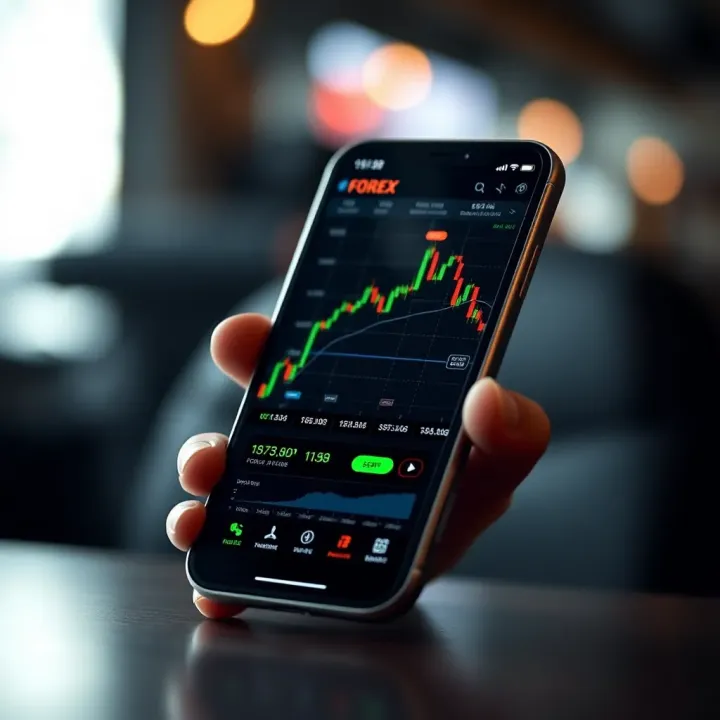
Explore the best free forex trading apps in South Africa! 📱 Compare features, benefits, and tips to choose the perfect platform for your trading needs. 💹
🌍 Discover how to trade forex in South Africa without upfront costs. Learn about free platforms, local rules, and practical tips for beginners. 💹
Based on 13 reviews