
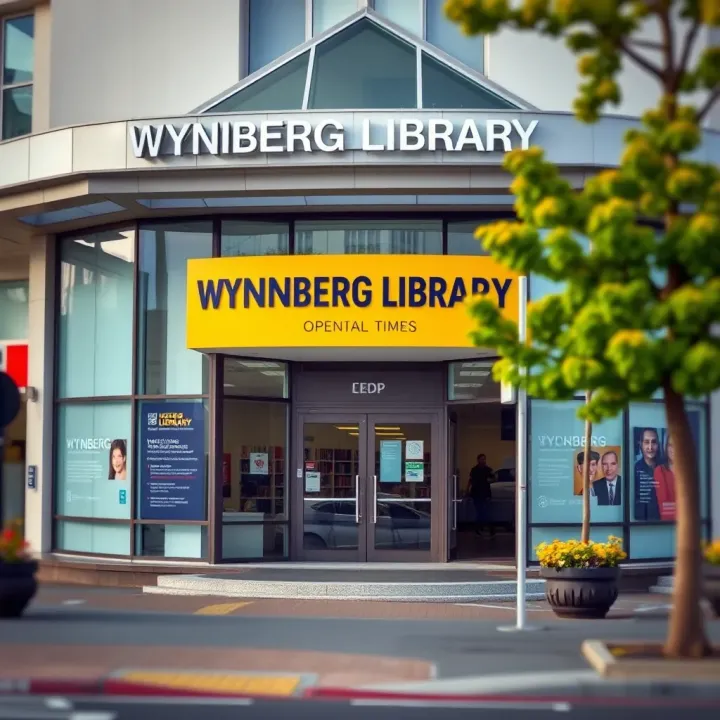
Wynberg Library Hours and Visitor Info
🕒 Find Wynberg Library trading hours, holiday schedules, and visitor tips to plan your visit smoothly. Contact info included for any questions! 📚
Edited By
Oliver Bennett
The East Rand Flea Market is a bustling hub for traders and entrepreneurs looking to tap into Gauteng’s vibrant informal trade scene. Whether you're sourcing unique stock, scouting for investment opportunities, or simply keen to understand the market dynamics, knowing the trading hours and visitor essentials will save you time and hassle.
This market operates predominantly on weekends, with Saturday and Sunday being peak trading days. Typical hours run from 07:30 am until around 4:00 pm. However, on public holidays and special events, these times may stretch or shift slightly—making it wise to confirm ahead.
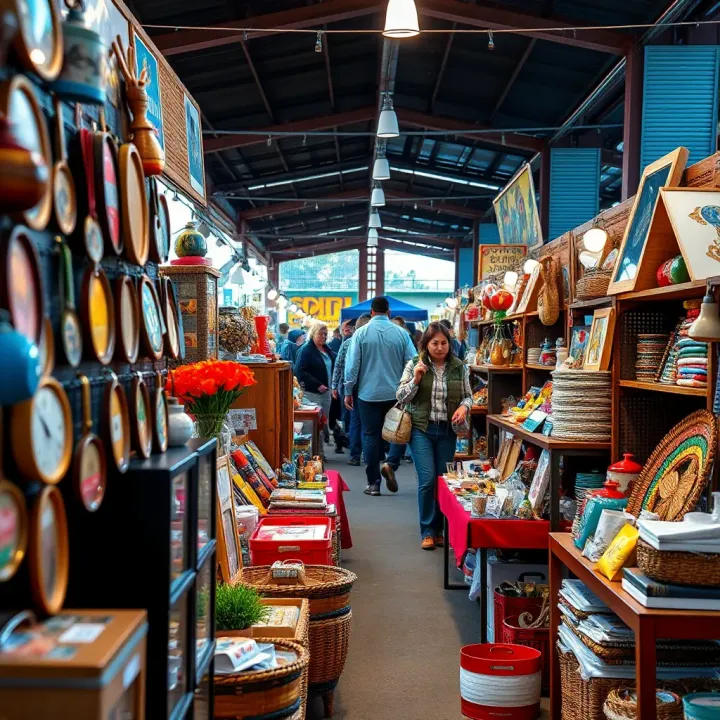
Trading hours see slight seasonal adjustments, especially around the December festive season when the market opens earlier and closes later due to increased shopper demand. For instance, traders often start setting up by 06:30 am in December to catch early buyers eager for holiday gifts.
For anyone serious about trading here, arriving early is key. The prime spots get snapped up quickly, and heavy foot traffic early on offers the best chance to connect with customers.
The market offers a mix of goods, from fresh produce and second-hand electronics to handmade crafts and imported clothing. This diversity makes it a hotspot not just for end-consumers but for small-scale traders seeking wholesale deals or fresh product ideas.
Accessibility is straightforward, with the market located close to the R21 freeway, and ample parking space available. Public transport options include minibus taxis and local buses that drop visitors near the entrances. Noticeably, the market gets quite busy, so plan extra travel time during peak hours.
To make the most of your visit:
Bring cash, as not all traders have EFT or card facilities.
Wear comfortable shoes and sun protection.
Carry a reusable shopping bag or trolley for convenience.
Consider visiting both days, as some stalls restock overnight.
Understanding these timings and logistics ensures both traders and investors can plan effectively, leverage peak periods, and navigate the market’s rhythm with ease.
Knowing the trading hours of the East Rand Flea Market is key for anyone looking to make the most of their visit, whether you're a trader wanting to maximise your sales or a visitor hoping to snag the best deals. The market operates on a set weekly schedule, but it's not always straightforward—special events and public holidays can change when stalls are open. Planning around these variations prevents wasted trips and ensures you catch the market at its liveliest.
The East Rand Flea Market typically runs on Fridays, Saturdays, and Sundays. On Fridays, trading tends to start around 3 pm and runs until roughly 8 pm, catering to those who prefer a late afternoon browse after work. Saturdays and Sundays open earlier, usually from 8 am through to 4 pm, giving visitors ample time to explore without rushing. For example, if you’re a trader selling fresh produce, the weekend mornings will be your prime hours for foot traffic.
Public holidays often bring a twist to the market’s opening hours. On certain holidays like Human Rights Day or Youth Day, the market may either open for longer hours or close altogether, depending on the event’s nature and expected attendance. Likewise, special events like the East Rand annual arts festival can mean extended operating times and additional stalls. Traders should double-check notices from market management to adjust stock and staffing plans accordingly.
Remember, public holiday schedules aren’t always consistent year-to-year, so a quick phone call or checking the official community board before your visit saves headaches.
South Africa’s seasons also affect the flea market hours. Summer months (November to February) see the market staying open later into the evenings to beat the heat while allowing for cooler shopping times. Conversely, during the shorter daylight months of winter (June to August), closing times tend to be earlier, around 3 or 4 pm, for safety and comfort reasons. Traders dealing in weather-sensitive goods, such as handcrafted leather items or perishable food, should plan stock levels and display times with these factors in mind.
Understanding these trading hours and their fluctuations helps all market participants align their visits with peak activity periods. This knowledge can be the difference between good and great days, whether you’re scouting for bargains or aiming to move merchandise efficiently.
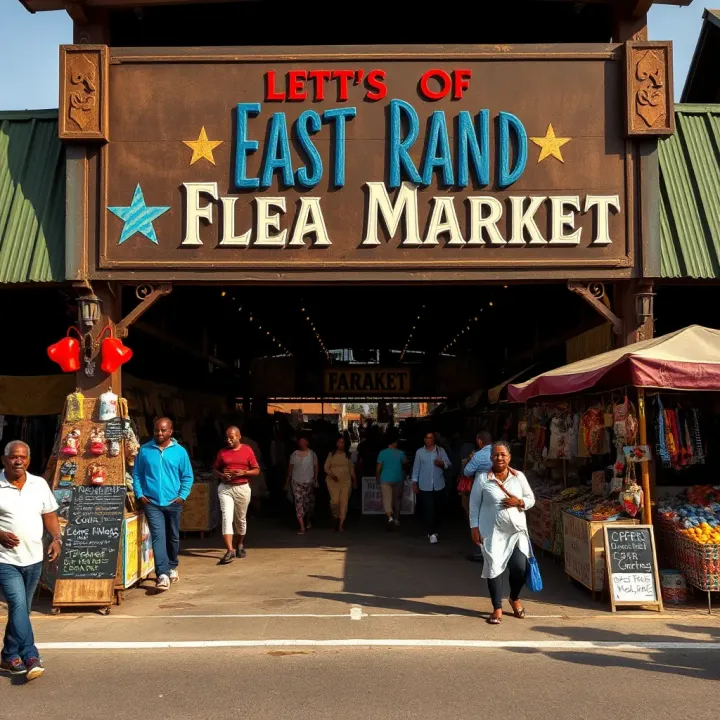
Visiting the East Rand Flea Market without a bit of planning can feel like walking into a bustling maze with no map. Getting a handle on the market's rhythm and what’s available on the day can save you time, prevent frustration, and even help you snap up better deals. Traders, investors, and entrepreneurs alike benefit greatly from understanding not just the hours but also peak times, crowd behaviour, and available services — all factors that shape the shopping and trading experience.
The market tends to get busy during late mornings and early afternoons, particularly on Saturdays, which is the main trading day. Between 10 am and 1 pm, expect crowded aisles as both locals and visitors flood in to hunt for bargains or scout new business opportunities. If you prefer a quieter visit or want to have more room to negotiate with traders, early mornings right when the market opens at 8 am can be much more relaxed. Come late afternoon, around 3 pm, the crowds begin to thin out, offering another window for a calmer experience.
Public holidays and long weekends usually bring a spike in foot traffic, so plan accordingly if you’re looking to avoid the busiest periods. Shoppers keen on novelty items, especially local crafts or seasonal goods, should also note that weekends with special events or festive themed markets attract larger, more diverse crowds.
The market is well set up to cater to visitors’ basic needs, which is important when you’re spending several hours browsing through hundreds of stalls. There are covered areas and shaded spots to escape the midday sun, handy in hot Gauteng summers. Clean ablution blocks are available but can get busy during peak hours, so it’s good to be prepared.
For those planning longer visits or trading days, the market has a few informal eateries and food stalls that offer local favourites such as vetkoek and boerewors rolls. These food options make it easy to grab a quick snack without leaving the premises. There is also a mix of secure parking areas, but taking care to lock valuables in your bakkie boot is advisable, especially during crowded times.
On top of that, many traders accept both cash and digital payments via SnapScan or Zapper, reflecting the growing shift to cashless transactions at the market. It helps to carry some small notes, though, as not all stalls may support card or mobile payments.
Taking time to understand the market’s busy periods and available visitor services goes a long way to making your trip more productive and enjoyable. A little planning means you can focus on what matters — finding the right deals, making connections, and soaking up the lively East Rand market atmosphere.
The East Rand Flea Market isn't just a trading space; it's a reflection of local enterprise and culture. Understanding what goods and experiences are on offer helps traders and visitors alike approach the market with clear expectations. This section highlights the range of products and the vibrant mix of local artisans and food vendors that give the market its distinctive character.
Variety is the name of the game at the East Rand Flea Market. You'll find everything from pre-loved clothing and household items to handcrafted décor and locally produced curios. Traders bring a mix of new and secondhand goods, which makes the market a popular spot for bargain hunters and collectors. For example, it’s common to spot vintage vinyl records alongside secondhand camping gear or children’s toys.
Electronics and small appliances also find their spot here, often at a fraction of retail prices, which appeals to residents looking to stretch their rand. Keep an eye out for seasonal items too, such as heater fans in winter or school supplies during the January back-to-school rush.
A key draw at the East Rand Flea Market is its thriving community of local artisans. These stallholders bring a fresh, authentic flavour with handmade crafts, jewellery, and artworks that tell stories from around the province. Paintings inspired by the Big Five, beaded jewellery influenced by traditional designs, and hand-stitched leather goods frequently grace the stands.
Food stalls play a pivotal role, making the market a lively hub not just for shopping but for socialising too. Popular offerings include freshly made vetkoek filled with curried mince, spicy boerewors rolls straight off the braai, and sweet treats like koeksisters. Many traders proudly showcase homemade preserves and freshly brewed rooibos teas sourced from the Western Cape, adding a local twist.
Supporting local artisans and food vendors not only boosts the regional economy but also enriches your market experience with authentic tastes and creations unique to Mzansi.
Getting to know these offerings can help traders stock smartly and visitors plan their visit, ensuring a rewarding and enjoyable trip to the East Rand Flea Market.
Knowing how to get to the East Rand Flea Market well in advance can save you a lot of time and stress. Since the market attracts large crowds, especially on weekends and public holidays, planning your trip carefully helps avoid unexpected delays and lets you focus on making the most of your visit. For traders and entrepreneurs, timely arrival is crucial to set up stalls or secure the best spots, so understanding transport and parking options is key.
Getting to the East Rand Flea Market is fairly straightforward whether you drive yourself, use public transport, or take a taxi. If you’re driving, the market is accessible via the R24 and N12 highways, which connect from Johannesburg and surrounding suburbs. These main routes lead close to the market, but some navigation through local roads is necessary, so having GPS or a trusted map app is helpful.
Public transport users can use minibus taxis, which are common throughout the East Rand. The closest taxi ranks are a short walk from the market, but do keep in mind that taxis can get crowded and irregular during peak market hours. For a more comfortable ride, ridesharing services like Bolt or Uber operate in the area, offering door-to-door service, though prices may surge on busy market days.
Accessibility-wise, the market grounds are reasonably level, and there are ramps at various points for wheelchair users, though busy days might pose challenges in moving smoothly through crowds. It’s advisable to check with market management on accessible facilities if you need assistance.
Parking at the East Rand Flea Market can fill up quickly, especially between late morning and early afternoon. The market provides several designated parking areas, but these spaces aren’t always shaded, so bring a sunshade or cover for your vehicle if you’re visiting during summer months. Arriving early not only secures parking but gives you a head start on the trading day.
Security personnel patrol the parking zones, but basic precautions remain essential. Always lock your car, avoid leaving valuables visible in the boot or seats, and park in well-lit areas if you stay until late. Some visitors use steering wheel locks or alarm systems as added deterrents.
An often-overlooked point is the slight congestion that can build up late afternoon when everyone leaves together. Patience and following directions from traffic controllers around the market help keep the flow smooth.
Tip: If you’re carrying lots of goods or cash, consider using bakkies with secure canopies or nearby lockers where available to avoid overloading on foot.
Understanding these practical points on transport and parking makes your trip to the market hassle-free and safe, setting you up to focus on trading or browsing without worries.
Knowing how to approach the East Rand Flea Market can really enhance your visit, whether you’re a trader looking to spot opportunities or a shopper hunting for bargains. This section offers practical tips on negotiating prices, payment options, and getting ready for the market day itself. The right preparation helps you navigate the hustle and bustle smoothly and find those hidden gems without stress.
Bargaining is practically an art form at the flea market, and most vendors expect it. Starting with polite, friendly negotiations can often bring prices down significantly. For example, if you see a craft stall selling beaded jewellery for R150, try offering R120 and see if the trader is open to adjusting. It’s best to keep your approach lighthearted — a smile goes a long way.
Many traders accept cash only, so carrying enough Rand is essential. However, some stalls have started using mobile payment platforms like SnapScan and Zapper, reflecting the growing digital adoption in Mzansi. Still, don’t rely solely on card or mobile payments because signal issues or power cuts can interfere. Have a mix of payment methods ready.
Also, small notes and coins prove handy when buying items priced under R20 or R30. It's not unusual for traders to have limited change.
Heading to the flea market without a plan can be a recipe for frustration. Prepare by dressing comfortably — sturdy shoes and a hat come in handy because you’ll be walking and standing for hours. The market can get hot, especially during summer months, so pack a water bottle to stay hydrated.
Bring a sturdy shopping bag or backpack. Plastic bags are common but can rip easily when packed full, so sturdy alternatives help protect your purchases.
Consider your transport and parking situation ahead of time. If you’re driving, bring some coins for parking fees and be ready for a bit of a walk from the farthest parking spots, especially on busy Saturdays.
Lastly, set a budget before arriving to avoid impulse buys. It’s easy to get caught up in the excitement of colourful stalls and unique finds.
Preparation and good bargaining skills don’t just save you money — they help you enjoy the experience more, making your visit to the East Rand Flea Market both productive and memorable.
Planning ahead and understanding the nuances of flea market trading hours can turn a casual visit into a rewarding outing for any entrepreneur or enthusiast. These practical tips ensure you stay in control and come away with great value.
🕒 Find Wynberg Library trading hours, holiday schedules, and visitor tips to plan your visit smoothly. Contact info included for any questions! 📚
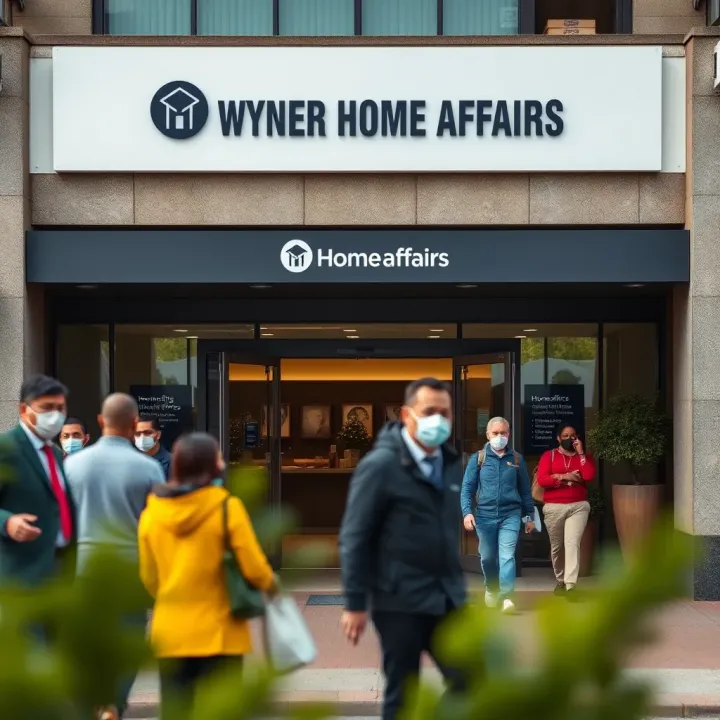
Plan your visit to Wynberg Home Affairs with ease ⏰ Get accurate trading hours, available services, and useful tips for a smooth experience 🇿🇦
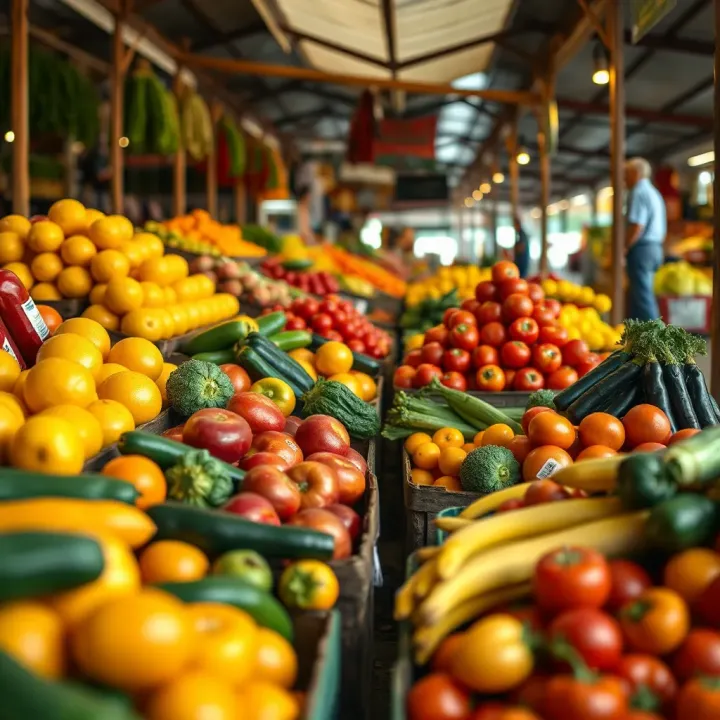
🕒 Discover Kenilworth fruit & veg markets hours, public holiday changes, seasonal tips, & how to plan your shopping for the freshest produce daily! 🍎🥕
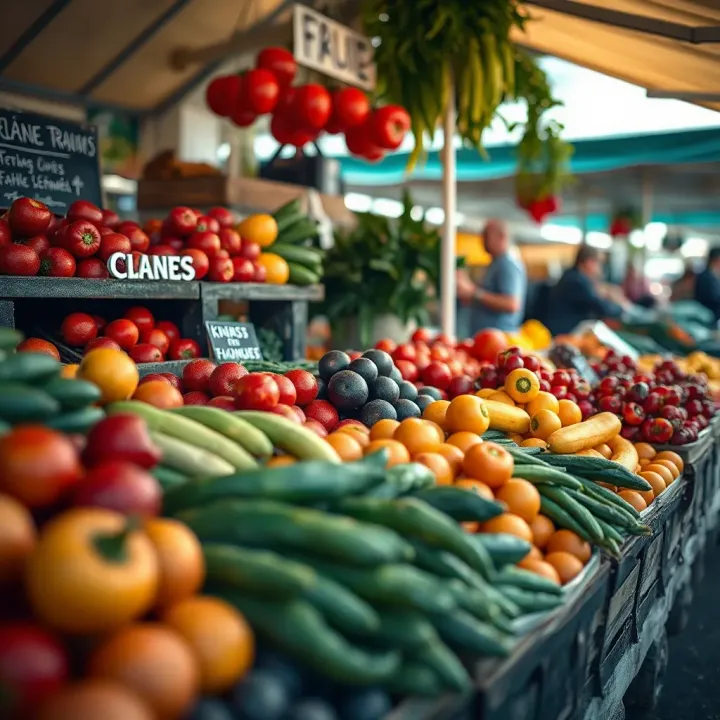
🕰️ Discover Knysna's fruit & veg markets' exact opening hours, holiday changes, and tips for the best shopping times. Perfect for locals & vendors! 🍎🥕
Based on 5 reviews