
Free Forex Trading Guide for South Africans
🌍 Discover how to trade forex in South Africa without upfront costs. Learn about free platforms, local rules, and practical tips for beginners. 💹
Edited By
Henry Foster
Forex trading often grabs attention with promises of fast returns and access to global currency markets. It’s no surprise many South Africans eye it as an opportunity to boost their income, especially given the fluctuating rand exchange rates and economic uncertainty. However, trading in forex is not all sunshine and roses. It comes with serious risks and drawbacks that can catch even experienced traders off guard.
Plus, forex trading often involves high leverage — borrowing capital to increase potential profits. This magnifies losses just as much. A small adverse move in currency prices can lead to a margin call, forcing a trader to inject more funds or close positions at a loss.
Costs also stack up over time. Transaction fees, spreads (the difference between buying and selling prices), and overnight financing charges add up and reduce net profits. For South African traders, currency conversion fees when funding accounts can also bite into returns.
Discipline is another tough hurdle. Unlike the regulated JSE market, forex trading is available 24/5, tempting traders to overtrade or chase losses without a clear strategy. Emotional decisions often lead to poor trades and bigger losses.
Finally, scams and unregulated brokers remain a concern in the South African forex space. New traders must thoroughly vet brokers for licences and reputability to avoid losing money through fraudulent schemes.
Forex trading is not a shortcut to wealth. It demands careful preparation, risk management, and ongoing education to navigate its pitfalls.
In the sections ahead, we’ll break down these disadvantages clearly. This will help you make an informed choice if you’re considering entering South Africa’s forex market.
Market volatility in forex trading refers to the frequent and often sharp price changes that currencies can experience within a short time. This volatility is a defining characteristic of the forex market and directly impacts traders' ability to make reliable predictions. For instance, unexpected political developments, such as an announcement by the South African Reserve Bank (SARB) regarding interest rate changes, can cause the rand to swing against major currencies like the US dollar or euro. Understanding this volatility is crucial because it shapes both opportunities and risks for traders.
Sudden price swings can catch traders off guard, especially those relying heavily on technical analysis or short-term strategies. During times of economic uncertainty or global events, these swift movements can lead to rapid changes in open positions. For example, if a trader holds a long position in the rand and SARB announces a hike in rates unexpectedly earlier than anticipated, the currency might appreciate sharply. If the trader is unprepared or lacks proper risk management, this move might be beneficial but could also trigger margin calls if the position was opposite. On top of that, spreads — the difference between buying and selling prices — tend to widen during volatile periods, increasing transactional costs and reducing potential profits.
Sudden swings might create profit chances, but equally, they can wipe out capital in moments without careful planning.
Forex trading carries the risk of substantial losses, often more than the initial investment, due to the leverage commonly offered in the market. While leverage can amplify gains, the opposite applies with losses. A trader might start with R10,000, but heavy losses during volatile times can easily exceed that, resulting in owing more money than originally invested. This is particularly relevant in South Africa, where inexperienced traders sometimes enter the market without fully grasping these risks.
Moreover, financial losses are not always linked solely to poor strategy but could stem from external shocks—like sudden geopolitical tensions affecting currency flows or unexpected events such as Eskom load shedding disrupting market sentiment. For example, if traders anticipate economic instability during load shedding but the situation escalates beyond forecasts, currency pairs involving the rand might react unpredictably, leading to marked losses.
Traders need to consider stop-loss orders, maintain disciplined position sizes, and stay informed about global and local economic news. Those who ignore these safeguards often face steep financial consequences.
In summary, forex traders must approach the market aware of how volatile price movements can rapidly affect their trades and the very real possibility of significant financial losses. Proper risk management and staying updated with market-moving events are essential for navigating this unpredictable market.
Leverage in forex trading lets you control a big position with a smaller amount of capital. For instance, a leverage ratio of 100:1 means you can trade R10,000 worth of currency with just R100 in your account. While this can significantly boost your potential profits, it also amplifies the risk of losses. It’s like using a sharp knife—useful in the right hands but dangerous in the wrong way.
Leverage magnifies both gains and losses, which means the stakes are higher. Consider a trader in Johannesburg who speculates on the USD/ZAR pair moving 1% in their favour. With no leverage, their 1% profit on R10,000 would be R100, but with 100:1 leverage, that same move could turn into R10,000. Conversely, a 1% move against the position would wipe out the entire R100 initial margin. This quick shift can lead to margin calls where the broker demands additional funds or closes positions automatically.
The ability to control large trades with small capital makes leverage popular, but it requires a clear understanding of your risk tolerance. Many new traders underestimate how quickly losses accumulate because “the money isn’t theirs” in the same way. They might think a small margin means small risk, but this is misleading given the leverage involved.
One common error is jumping in with the maximum leverage available without assessing personal financial limits. Many local brokers offer leverage up to 200:1 or more, tempting traders to expose themselves to risky positions they can't afford. For example, betting too heavily on a volatile pair like GBP/ZAR during a political event can mean devastating losses in hours.
Another pitfall is neglecting stop-loss orders or using them improperly. Traders sometimes rely on hope instead of predefined risk limits, which can lead to massive drawdowns. Also, overtrading under high leverage inflates transaction costs and magnifies emotional stress, leading to impulsive decisions rather than disciplined strategy.
Trading with high leverage is like riding a bakkie on a narrow, winding koppie road—exciting but fraught with hazards if you're not careful.
In short, leverage can increase your buying power, but without solid risk management, it can also accelerate your losses. Successful forex traders in South Africa often use lower leverage ratios to manage risk, complementing it with strict money management and realistic profit targets.
Applying leverage wisely means:
Setting realistic stop-loss limits
Avoiding max leverage unless fully aware of the risks
Monitoring position sizes relative to total capital
Understanding leverage’s true impact helps prevent rash decisions and protects your trading account from rapid depletion in a notoriously volatile market.
Trading forex in South Africa doesn't come free. The costs and fees involved chip away at your potential profits, sometimes without you even noticing. Understanding these expenses is vital to managing your trades wisely and avoiding unpleasant surprises at the end of the month.
The spread is the gap between the buy (ask) and sell (bid) price of a currency pair, and this is where many brokers earn their keep. For example, if the EUR/USD pair has a bid price of 1.1200 and an ask price of 1.1203, the spread is 3 pips. While 3 pips might sound tiny, it quickly mounts up across multiple trades, particularly for day traders and scalpers.
Some brokers in South Africa charge a commission in addition to the spread, especially for popular pairs or professional accounts. This fee can be a fixed amount or a percentage of the trade size. For instance, a broker might charge R50 per standard lot traded, which can add a sizeable cost if you’re trading regularly.
Don’t overlook other charges either, like platform fees or withdrawal costs. Certain platforms may charge a monthly fee or impose limits on free withdrawals, which impacts your net earnings. Always read the fine print when opening an account.
If you keep a forex position open beyond the local market close, brokers typically charge an overnight fee or rollover cost. This fee reflects the interest rate differential between the two currencies involved. For example, holding USD/ZAR overnight might cost you or earn you interest based on the interest rates set by the US Federal Reserve and the South African Reserve Bank.
These costs can pile up over time, especially for swing traders or those who hold positions for days or weeks. If you’re not careful, rollover fees will chip away at your gains or worsen losses without you realising it.
Knowing how spreads, commissions, and overnight fees work can help you plan trades better and reduce unexpected costs eating into profits.
In summary, South African traders need to factor in these expenses before jumping in. Choosing the right broker with transparent and competitive fees can make a substantial difference. It’s well worth running your numbers beforehand and maybe even simulating trades to capture a clear picture of expected costs. This way, you know what you’re really paying for, and you stand a better chance of turning a profit, despite these inevitable fees.
Trading forex isn’t just about understanding charts or economic news—it’s also a psychological battle. The emotional swings tied to wins and losses can easily throw a trader off course. Without the right mindset and discipline, even the best strategies can fall apart. Many traders in South Africa discover that staying level-headed and sticking to their plan is tougher than predicting the rand’s next move.
The emotional rollercoaster in forex trading hits hard. Imagine you make a hefty trade, expecting a solid gain, but the market suddenly flips. That sting isn’t just about losing money—it’s the frustration, self-doubt, and sometimes even panic that can follow. On the flip side, a winning streak might lead to overconfidence, tempting traders to increase risk recklessly. This swing can cause poor decision-making, like holding onto losing positions too long or abandoning a well-thought-out plan too soon.
Take Lerato from Johannesburg, who lost R20,000 after chasing a bad trade to recover previous losses. She wasn’t just losing cash; she was battling fear and hope clouding her judgment. This shows how the emotional impact goes beyond numbers—it affects the decisions that follow.
Building a steady mindset is vital to managing the psychological ups and downs. Consistency comes from discipline—setting clear rules on when to enter or exit trades and sticking to them without exception. One proven approach is maintaining a trading journal to track decisions, emotions, and outcomes. This helps identify patterns like emotional trading or impulsive moves.
For instance, Johan from Cape Town uses a simple checklist before every trade to confirm his reasons and risk level. This habit keeps him grounded and prevents rash moves during high-volatility periods or after a string of losses.
Developing discipline also means accepting loss as part of trading—not personal failure. The most successful traders often speak about controlling their emotions like controlling gear changes during a drive—smooth and deliberate. Adopting practices such as regular breaks, meditation, or even discussions with fellow traders can help maintain a firm mindset.
Staying disciplined in forex trading helps protect your capital and keeps you focused, even when the market throws curveballs. It’s the backbone of long-term success.
In summary, managing the psychological side of forex demands more than just skill—it requires resilience, clear rules, and a commitment to self-awareness. Traders who master this side are better poised to thrive in South Africa’s unpredictable forex environment.
In South Africa's forex market, dealing with unregulated brokers poses serious risks that can wipe out traders' capital in no time. Unlike regulated brokers, who fall under bodies like the Financial Sector Conduct Authority (FSCA), unregulated entities often operate without oversight, increasing the chances of dishonest practices. This lack of control means traders might struggle to recover funds or seek redress when faced with issues such as hidden fees or unfair trading terms.
Being able to spot red flags can save you from falling victim to rogue brokers. Watch for platforms that promise guaranteed profits or unusually high returns with minimal risk—these are usually too good to be true. Another warning sign is the absence of a valid FSCA licence, which you can verify on the FSCA website. Poor customer support, delays in withdrawal requests, or pressure tactics to deposit more funds also signal trouble.
Beware of brokers using overly complex or unclear terms in their contracts. For example, some might hide exorbitant rollover fees or spreads that widen significantly during volatile periods. Platforms that do not provide transparent transaction histories or have inconsistent pricing should raise alarms. In some cases, scams involve fake trading platforms that disappear once you attempt to withdraw.
Protecting yourself starts with thorough research and due diligence. Always choose brokers registered with the FSCA, as this ensures some level of consumer protection and compliance with South African financial laws. Check online reviews and local trader forums to gather insights into a broker’s reputation and performance.
Use demo accounts to familiarise yourself with a platform before putting real money on the line. Avoid brokers that pressure you to increase deposits or rush you into trades. Also, understand the broker’s fee structure fully to avoid unexpected costs eating into your profits.
If in doubt, seek advice from experienced traders or financial advisors familiar with South Africa’s forex regulations. Lastly, keep your trading software and devices secure, preventing unauthorised access that scammers might exploit.
In short, maintaining a cautious approach and verifying your broker’s credentials can make all the difference between a safe trading experience and falling into a scam trap.
By recognising warning signs early and protecting yourself with solid checks, you can better navigate South Africa’s forex market with much less risk from unscrupulous brokers.
🌍 Discover how to trade forex in South Africa without upfront costs. Learn about free platforms, local rules, and practical tips for beginners. 💹
📈 Explore forex trading sessions from a South African viewpoint, learning how global market hours and overlap impact your strategies for better results.
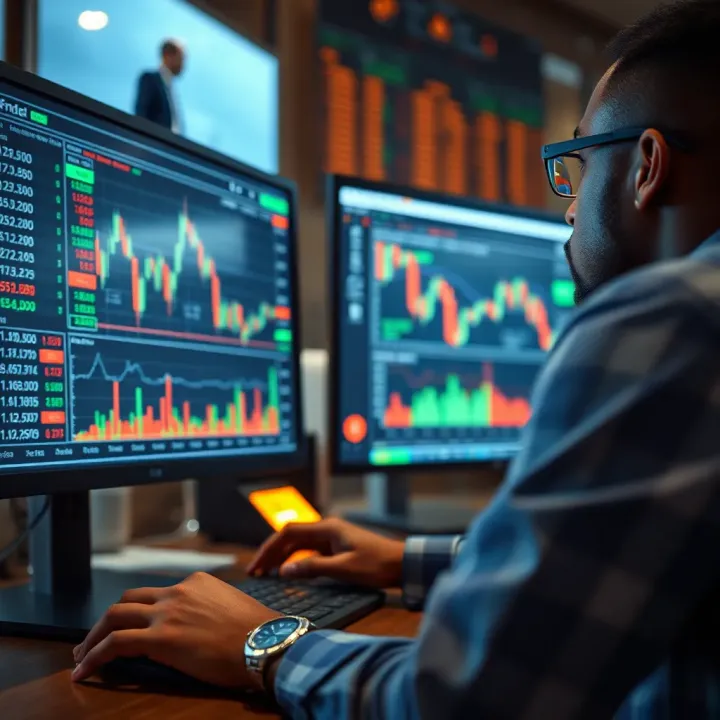
Discover practical forex trading tips for South African traders 🇿🇦, including strategies, risk control, market analysis, and mindset for better results 📈💡.
🌍 Explore top forex trading schools in South Africa! Learn course options, practical training, and how ongoing education boosts your trading skills. 📈
Based on 14 reviews