

Forex Trading Guide for South Africans
Discover how to trade forex confidently in South Africa 🇿🇦. Learn market basics, strategies, risk tips, legal rules & practical steps to start trading today. 📈💡
Edited By
Henry Dawson
Binary options trading is a financial market activity where you predict whether an asset's price will rise or fall within a set timeframe. It's rather straightforward compared to other investment types. You don’t own the asset itself; you simply bet on its price direction. If your call is correct, you earn a fixed payout. If not, you lose the amount you invested.
In South Africa, binary options remain a controversial and risky form of trading. While the concept sounds appealing for its simplicity and fast-paced nature, many fall prey to scams and misleading platforms that promise quick profits but deliver heavy losses instead.

Before deciding to trade binary options, understand clearly that high returns come with high risks—and many platforms operate outside South Africa’s financial regulations.
The South African Financial Sector Conduct Authority (FSCA) has issued warnings against binary options, especially those offered by unlicensed overseas brokers. Locally, only a few authorised platforms exist, and it’s crucial to stick with these to avoid falling victim to fraud.
To give you a better grip:
Binary options work on yes/no questions, such as "Will the price of gold be above R1,000 at 3 pm today?" You either win a fixed sum or lose your stake.
Trade durations can be very short, from 30 seconds to a few hours, attracting traders looking for quick gains.
Common underlying assets include forex pairs like USD/ZAR, indices, stocks listed on the JSE, and commodities like platinum or gold.
While some South Africans use binary options for speculative trades, it’s worth noting that the risk of losing the full investment is very real. Many traders underestimate how fast markets move and how easily predictions can miss the mark.
In the sections that follow, you'll find a closer look at the legal landscape, key risks, recommended platforms, and practical advice to trade with caution and informed judgement here in South Africa.
Knowing how binary options trading works is essential for anyone considering this fast-paced form of investment. It offers a simple, all-or-nothing bet on price movements, but the catches lie in understanding its mechanics and risks. For South African traders, grasping these fundamentals helps make informed decisions and better manage potential losses.
Binary options are financial contracts where you predict whether a specific asset's price will be above or below a set level at a chosen time. If your call is right, you receive a fixed payout; if not, your stake is lost. This straightforward "yes or no" outcome distinguishes binary options from other investments.
For example, you might bet R500 that the price of gold will be higher in one hour. If it is, you get a predetermined payout, say R900, which includes your initial amount plus profit. If the prediction fails, you lose the R500.
Unlike traditional trading, where profits or losses depend on how much the asset price moves, binary options offer fixed returns and fixed losses. This fixed risk-reward characteristic simplifies things but also means there's no way to cut losses early or to benefit from larger price swings.
Traditional trading allows partial gains and stop-loss measures, whereas binary trading is all or nothing. This makes timing crucial — getting a prediction right but too late means losing the whole stake.
There are several types, with "High/Low" being the most common. Here, traders predict whether the asset will finish above or below a strike price. Other types include "One Touch," where a price target must be hit at any time before expiry, and "Range" options, predicting whether the price stays within a defined band.
These variations cater to different trading styles and risk appetites. For instance, a cautious trader might prefer Range options to benefit from stable markets, while a risk-taker might opt for One Touch for larger payouts.
Expiry times vary widely — from as short as 30 seconds to several hours or days. South African traders often start with short expiries to quickly test strategies but should note that rapid timings increase volatility and risk.
Payouts typically range between 60% and 90% of your stake if you win. If you lose, you forfeit the full amount staked. For example, a successful R1,000 trade might return R1,850 (stake plus 85% profit). Platforms usually state these conditions upfront, so it's wise to compare before trading.
Bear in mind: The simplicity of binary options masks the high risk involved. Understanding how different types and expiry times affect outcomes can help you avoid costly mistakes.
In summary, binary options are straightforward bets on price movements with fixed returns. Their simplicity appeals to many new traders, but it's important to grasp how types, expiry times, and payouts work to navigate this volatile market effectively in South Africa.

Understanding the legal and regulatory environment is vital for anyone looking to trade binary options in South Africa. Without checking this, traders risk falling foul of the law or dealing with brokers who don't operate fairly or transparently. This section clarifies how regulations shape the trading scene, offering practical benefits like investor protection and a clearer path for compliant brokers.
The Financial Sector Conduct Authority (FSCA) oversees the regulation of financial services, including binary options trading, within South Africa. Its role involves ensuring that brokers and financial service providers adhere to rules that protect consumer interests and maintain market integrity. For traders, this means the FSCA acts like a watchdog, keeping an eye on companies to prevent malpractice and promoting fairness.
South African traders should remember that the FSCA’s jurisdiction primarily covers firms licensed locally. Many brokers operating binary options platforms target South Africans but may not be registered or regulated here. In practice, this exposes traders to higher risks since unregistered brokers aren’t obliged to follow South African financial laws or safeguards.
Legally, any individual or entity offering financial products in South Africa must comply with the Financial Advisory and Intermediary Services (FAIS) Act. This includes binary options brokers. For traders, this translates into checking whether a broker holds a valid licence from the FSCA. Brokers without appropriate authorisation not only operate illegally but may also offer misleading terms or lack recourse for clients who experience problems.
Unregulated brokers often use aggressive marketing to lure traders, offering unrealistic returns or zero-risk options. Common scams include delayed or refused withdrawals, manipulated pricing, or pressure tactics that push traders to deposit more funds. These practices become especially problematic because legal bodies have limited power over brokers that aren’t registered locally.
Traders should watch out for red flags such as brokers who refuse to provide verifiable licence details, use untraceable payment methods, or offer bonuses contingent on impossible trading volumes. If a platform lacks clear contact information or decent customer support, it’s wise to stay clear.
Verifying a broker's credibility starts with confirming their licence on the FSCA website or through official financial watchdogs abroad where applicable. Always ask for documentation that proves regulatory compliance. Another practical step is researching user reviews and feedback on local trading forums or social media platforms, focusing on withdrawal experiences and customer service.
Additionally, South African traders should prioritise brokers who offer transparent trading conditions, support deposits and withdrawals in South African Rand, and adhere to fair business practices. Using demo accounts to test a platform before committing real money helps identify any suspicious or inconvenient features early on.
When it comes to binary options trading, staying within regulatory guardrails greatly lowers risks and helps ensure you trade with brokers who play by the rules. Verifying licensing and watching out for scams isn’t just smart—it’s essential.
Choosing the right binary options platform is a step you can't afford to rush into, especially in South Africa where regulation is still catching up with this kind of trading. A solid platform not only ensures your money is in safe hands but also affects the quality of your trading experience. It's like choosing the right bakkie for a trip across the rugged Karoo – reliability matters.
A key red flag or green light when picking a trading platform is whether the broker is licensed and regulated by an authoritative body. In South Africa, this means looking for brokers registered with the Financial Sector Conduct Authority (FSCA), which oversees financial services to protect consumers. Operators without FSCA approval can often be fly-by-night outfits that may disappear with your funds, or offer unfair terms.
That said, not all licensed brokers are equally trustworthy, so cross-checking their track record and client reviews helps. Ideally, the platform should display its licence details clearly. If it operates internationally, a licence from respected bodies like the Cyprus Securities and Exchange Commission (CySEC) or the UK’s Financial Conduct Authority (FCA) adds an extra layer of comfort. However, local FSCA registration remains the most relevant for South African traders.
Trading conditions vary widely between platforms and can impact your profits before you even start. Watch out for hidden fees like withdrawal charges, inactivity penalties, or add-on service costs. It's essential the platform clearly spells out all fees upfront — this transparency saves you headaches later.
Besides fees, pay attention to payout percentages as these directly affect your earnings. Some brokers offer payouts of up to 90% on successful trades, but others might drop to 70% or less. Also, check the minimum investment amounts; some platforms allow trades from as little as R50, which is handy if you prefer cautious, small stakes.
South African traders often favour platforms that offer stable access without cumbersome VPNs or blocked websites. Platforms like ExpertOption, Olymp Trade, and IQ Option have good reputations locally. These platforms tend to offer user-friendly interfaces and localised support, helping ease the learning curve for new traders.
Having a platform that loads quickly on mobile data is important too, considering data costs and connectivity variability in parts of the country. A clunky platform can slow down your reactions, especially in fast-moving trades.
Having your trading account operate in South African Rands (ZAR) saves currency conversion costs, which can eat into your profits significantly when converting to and from dollars or euros. Platforms supporting ZAR deposits and withdrawals, especially through familiar methods like EFT (Electronic Funds Transfer) from South African banks, Instant EFT, or even SnapScan, add convenience.
Additionally, check if the platform supports local payment methods like credit and debit cards from major banks, or mobile money services popular in South Africa. Swift, affordable withdrawal options are just as crucial — many a trader has been caught out by long delays or high fees when trying to cash out winnings.
Choosing a reliable platform tailored to South African needs helps you avoid unnecessary costs and reduces your trading stress, letting you focus on making informed decisions and developing winning strategies.
Binary options trading carries significant risks, especially in the South African context where regulation is still developing. Understanding these risks helps traders avoid common traps and make more informed decisions. Given the quick pace and simplicity of binary options, traders can easily expose themselves to sudden losses or misleading information. Awareness is crucial to protect your capital and maintain control.
Binary options allow traders to predict whether an asset’s price will go up or down within a short period—sometimes mere minutes. While this speed can be appealing, it also means losses can happen swiftly. For example, if you bet R1,000 on a stock to rise and it falls instead, you could lose your entire stake in moments. South African traders unfamiliar with this often find themselves burned, especially if trades stack up against them before they realise the risks involved.
This rapid loss potential is why managing how much you risk per trade is essential. Unlike share investing, where losses unfold more gradually and can sometimes be recovered, binary options are all-or-nothing. Without proper discipline, it's easy to wipe out a trading account before you’ve had a chance to learn from your mistakes.
Many South African traders face challenges because broker platforms don’t always disclose clear details on how trades are executed or how payouts are calculated. Some brokers, especially unregulated ones, may manipulate prices or delay price feeds to cause losses. This can look like a difference of a few cents but results in losing the whole bet.
Moreover, sales pitches promising guaranteed profits or risk-free trades are common traps. These claims don’t align with reality, where market volatility and unexpected events can swing trades rapidly. Traders need to be wary of such misleading information and always question whether the source has credible credentials or FSCA oversight.
Beware offers that sound too good to be true—binary options can be unpredictable and risky, especially when used without solid information and controls.
One of the quickest ways traders lose big is by chasing losses. After a bad trade, there's a temptation to immediately make another bigger bet to recover what was lost. This often backfires, leading to an even bigger drawdown. For instance, if you lost R500, you might try to trade R1,000 in hopes of a quick rebound, only to lose that too.
Patience and sticking to a clear strategy are key here. Accepting losses as part of trading, rather than trying to fix them hastily, helps protect your capital over the long run.
Another common error is ignoring available market data and trading on gut feel or tips alone. Successful binary options trading requires understanding underlying assets — like company performance, economic news, or currency moves. Without this, trades turn into nothing more than guesses.
For example, betting on a rand/dollar exchange rate without following Reserve Bank announcements or global economic shifts is reckless. Keeping up to date with financial news and analysing charts can improve your chances of making sound trades.
In summary, knowing the risks and steering clear of pitfalls like chasing losses and skipping research will improve your experience with binary options trading. Always trade cautiously and stay informed to safeguard your money.
Trading binary options requires more than just luck or guesswork. For South African traders, it’s essential to approach this market with a clear strategy and the right tools to avoid common pitfalls and improve chances of success. Practical tips help ground your trading in reality and protect your capital.
Setting realistic goals is the first step. Many new traders fall into the trap of expecting quick windfalls, aiming for huge returns in a short time. Instead, set achievable targets that reflect the market’s volatility and your experience level. For example, aiming for a 5% monthly gain rather than 50% prevents reckless decisions born from desperation. This approach encourages patience and consistency — key traits for long-term trading.
Managing risk effectively means knowing how much you’re willing to lose on any single trade and sticking to that limit. A common rule is not to risk more than 1-2% of your trading capital per trade. For instance, if your budget is R10,000, avoid placing trades exceeding R100 to R200. Using stop-loss orders isn’t always possible in binary options, so consider limiting exposure by choosing expiry times wisely and diversifying your trades across different assets.
Educational material is vital because binary options trading isn’t simple. Many brokers offer free tutorials, but also consider independent sources focusing on South African markets or global economic trends that affect your chosen assets. Knowing how currency moves, commodity prices, or stock indices behave can improve your decision-making substantially. When you understand the "why" behind price movements, you trade smarter, not just on hunches.
Demo accounts and trading simulators give you hands-on experience without risking one cent. Platforms like IQ Option or Binary.com provide such tools, allowing you to test strategies across different assets and expiry times. Practising with a demo lets you get familiar with the interface and timing — critical since binary options rely heavily on sharp entry and exit points. Always use a demo first to fine-tune your approach before committing real money.
Keep in mind: A well-planned strategy and ongoing learning can help you stay ahead in binary options — don't fall for quick-fix schemes.
Ultimately, combining these practical tips can help South African traders avoid common traps and improve their chances to trade responsibly and profitably.
Discover how to trade forex confidently in South Africa 🇿🇦. Learn market basics, strategies, risk tips, legal rules & practical steps to start trading today. 📈💡

Learn how to access and use free funds to trade binary options safely 🇿🇦. Get tips on bonus rules, trusted brokers, and strategies to protect your investments.
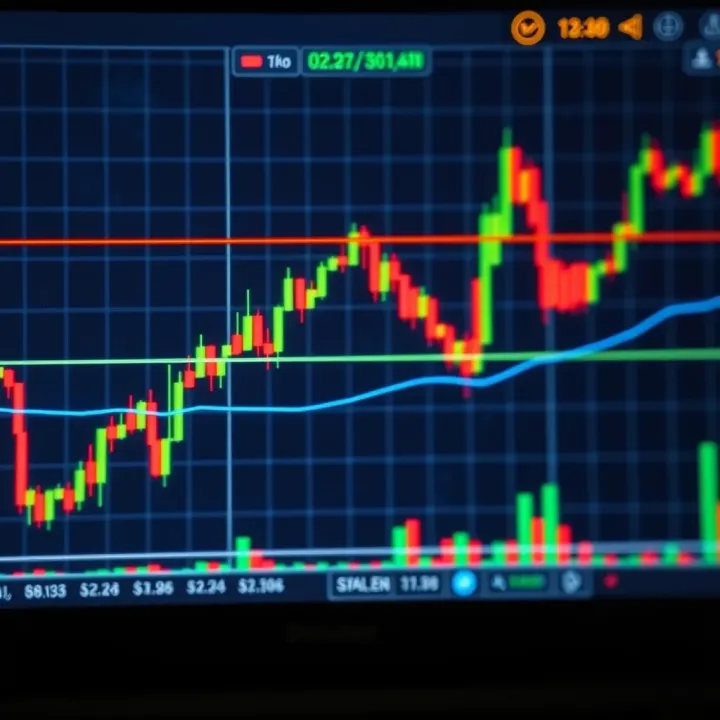
📊 Discover how forex trading signals guide South African traders on when to buy or sell currency pairs. Learn types, risks, benefits, and how to pick trustworthy signals.

Discover the best forex trading software for South African traders 🇿🇦. Learn types, features, risks, and tips to choose and use platforms effectively 📊💻.
Based on 5 reviews