
Free Binary Trading Demo Accounts Guide
Learn how free binary trading demo accounts work in South Africa 🇿🇦 Gain practical tips, spot features, avoid common mistakes, and trade risk-free!
Edited By
Chloe Whitman
Binary options trading has gained traction in South Africa, attracting both seasoned investors and newcomers looking for straightforward ways to engage with financial markets. Unlike traditional investments, binary options offer a simplified ‘yes or no’ bet on the price movement of assets within a fixed timeframe. You basically predict whether the price of an asset, such as gold or a company share, will rise or fall by the expiry time.
South African traders often ask how safe it is to trade binary options locally, especially given the mixed reputation around these platforms. One key point to understand is that the South African Financial Sector Conduct Authority (FSCA) currently does not regulate binary options specifically. This lack of regulation means traders must exercise caution, as some brokers may operate without strict oversight or proper customer safeguards.
If you’re considering binary options trading, it’s crucial to know who you’re dealing with. Picking a reputable broker can make all the difference between a fair shot and falling victim to scams.
Popular binary option brokers available to South African users include names like IQ Option, Olymp Trade, and Binomo. These platforms often provide localised interfaces, accept Rand deposits, and offer practical features like mobile trading apps. However, their regulatory status is usually tied to offshore licences, which means South African traders don’t benefit from the Protection measures that apply when dealing with FSCA-licensed brokers.
When comparing brokers, focus on factors such as:
Transparency of trading terms and fees
Withdrawal processing times
Quality and responsiveness of customer support
Availability of demo accounts for practice
Furthermore, the risks involved in binary options trading are higher compared to traditional investing. Since it’s essentially an all-or-nothing contract, you can lose 100% of your stake if your prediction is wrong. This makes risk management and realistic expectations essential.
In the sections ahead, we will break down how binary options work, explain the local regulatory environment in more detail, and offer practical tips for choosing trustworthy platforms. By the end, you should have a clearer picture of what’s involved and how to approach binary options trading with care here in South Africa.
Grasping the basics of binary options is vital for anyone thinking of trading these instruments. In South Africa, where the investment landscape is evolving quickly, knowing how binary options work helps you avoid pitfalls and spot genuine opportunities. This understanding also sets the foundation for navigating the local regulatory environment and choosing the right platforms.
Definition and mechanics: Binary options are a simple type of financial contract where the payoff is either a fixed amount or nothing at all. It’s a bit like a bet on whether a specific asset’s price will be above or below a certain level at a specified expiry time. For example, if you think the rand-dollar exchange rate will be above R18.50 at 1 pm, you buy the binary option. If you’re right at expiry, you get a fixed payout; if not, you lose your stake.
Common types of binary options: There are several varieties commonly traded. The 'high-low' option, as described, is the most popular—it’s straightforward and easy to understand. Other types include 'one-touch', where you predict if an asset will hit a certain price at any time before expiry, and 'range options', which pay out if the asset stays within a price band. Each type offers a different balance of risk and reward and suits different trading styles.
Fixed risk and fixed return: One key difference is you know your risk and potential return upfront. Unlike normal share trading where profit or loss can swing wildly, a binary option offers a fixed payout or nothing. This makes it easier to manage bankrolls and set clear limits. For example, if you invest R1,000 in a binary option with an 80% payout, you stand to win R1,800 or lose your R1,000 - no surprises. This structure appeals to many looking for predictable risk.
Short-term nature and expiry times: Binary options tend to have much shorter expiry times compared to traditional trades. Expiry can range from 60 seconds to several hours, unlike shares or forex positions that might be held for days or weeks. This short-term focus means traders need to make quick decisions and keep a close eye on market moves. Although tempting for those seeking fast returns, it also magnifies the impact of small price changes and requires discipline to avoid impulsive trades.
Mastering these aspects is essential for trading binary options effectively and safely. Understanding the trade-off between fixed risks and short expiry times keeps decision-making grounded and practical.
In the South African context, where investors often juggle several priorities, clear grasp of what binary options entail helps prevent costly mistakes and spot better trading opportunities.
Understanding the regulatory environment is vital for South Africans interested in binary options trading. The country's legal framework offers some protection, but it also highlights risks, especially when dealing with brokers beyond local oversight. Knowing which entities hold authority and what to expect from them can help traders avoid costly pitfalls.
The FSCA stands as the main watchdog for all financial service providers in South Africa, including those offering binary options. Brokers operating within the jurisdiction must meet strict licensing requirements. To secure a licence, they have to comply with capital adequacy rules, submit key financial disclosures, and pass fit-and-proper tests assessing the company’s honesty, competency, and fair treatment of clients. This process ensures only brokers meeting minimum standards are authorised, shielding traders from shady operations.
On the protection front, the FSCA monitors broker activities to ensure they uphold fairness and transparency. If a broker misleads clients, misuses funds, or engages in fraudulent conduct, the FSCA can investigate and impose sanctions. It also manages complaints and promotes initiatives to educate traders about risks associated with binary options. For example, the FSCA recently issued warnings on several offshore brokers targeting South African customers without registration, advising traders to steer clear for their safety.
Despite these regulations, South Africa has seen a history of scams linked to binary options. In the past decade, numerous bogus brokers offered promises of guaranteed returns only to disappear with client funds or manipulate trading platforms to prevent profits. The FSCA and consumer bodies have repeatedly issued alerts and closed down offenders, but unfortunately, new players pop up regularly.
Recognising unregulated brokers is crucial for traders. Key warning signs include:
Absence of an FSCA licence or registration number.
Overly generous, unrealistic payout promises.
Pressure tactics urging quick deposits or emotional trading.
Poor or no customer support and opaque contact details.
Given the volume of offers online, one should always verify a broker's regulatory status and look out for reviews from trusted South African sources. Remember, dealing with an unregulated broker not only risks your funds but often means zero recourse if things go wrong.
Staying informed about South Africa’s financial regulation and being cautious pays off. It helps prevent falling victim to scams and ensures your trading experience is as secure as possible.
In summary, while the FSCA provides a structure that aims to protect traders, the nature of binary options and their association with offshore brokers means you must keep your wits about you. Stick to regulated firms, keep an eye out for warning signs, and always prioritise safety over quick profits.
Choosing the right binary option broker is essential for anyone trading in South Africa. Not all brokers are created equal, and picking the wrong one could lead to issues like unfair fees, slow withdrawals, or, worse, scams. Evaluating brokers carefully helps you avoid these pitfalls and ensures you’re trading under conditions that are clear and fair. Plus, local factors like compliance with South African regulations and suitable payment methods mean not every international broker fits the bill.
Regulatory compliance is non-negotiable. In South Africa, the Financial Sector Conduct Authority (FSCA) oversees financial service providers, and brokers authorised by them usually adhere to strict rules protecting traders. A reliable broker will prominently display their FSCA licence or licences from other recognised regulators. This means your money and data are better guarded, and if anything goes wrong, you have a formal route to raise complaints. For example, a broker regulated by the FSCA or ASIC (Australia Securities and Investments Commission) generally offers stronger accountability than unregulated operators.
User experience is another key factor. A user-friendly platform makes trading simpler and reduces mistakes. Look for brokers with clean interfaces that load quickly and work well on both desktop and mobile. Features like straightforward navigation, easy access to trading history, and clear charts help you react quickly to market moves. Imagine trying to trade in the middle of Eskom loadshedding on your mobile — a jerky, unfriendly app won’t cut it. Those that offer demo accounts also help newcomers build confidence without risking cash.
Great customer support is often overlooked but can save a lot of hassle. Reliable brokers provide responsive, knowledgeable help via live chat, phone, or email. This is handy when you hit any snags, like issues with withdrawals or technical glitches. One solid example is a broker who offers 24/7 support from local or regional teams familiar with South African traders’ needs and work hours. Slow or unhelpful support could cost you time and money.
Broker fees and payout rates directly affect your bottom line. Some brokers charge hidden fees, while others might have lower commission but poorer payout percentages on winning trades. For instance, a broker with a payout rate around 85% can give you better returns than one stuck at 70%. Always check withdrawal fees too, especially if you plan frequent cashouts.
Account types and minimum deposits also vary widely. Some brokers welcome traders with as little as R500, making it accessible for those just starting. Others require heftier deposits, which might suit only more experienced or capital-rich players. Account tiers can offer perks like better support or higher payout limits, so choose based on how much time and money you’re putting in.
Finally, consider the available assets for trading. Brokers often differ in the range of stocks, indices, forex pairs, or commodities offered. If you want to trade local favourites like JSE-listed shares or gold — a staple commodity in South Africa — check that the broker includes these. A wider asset selection means you’ve got more options to diversify your risk and spot opportunities.
Always remember, a well-chosen broker is your best ally in navigating the tricky waters of binary options trading. Take the time to compare and confirm their credentials closely.
By focusing on these criteria, South African traders can improve their chances of a safe and potentially profitable binary options experience. Your broker should work for you — not the other way round.
Navigating the ups and downs of binary options trading demands practical strategies tailored to local conditions. For South African traders, understanding how to manage risk and handle payments swiftly can make a real difference in protecting capital and realising gains. This section offers actionable advice grounded in everyday trading realities, helping you avoid common pitfalls and trade smarter.
Using demo accounts is a simple way to familiarise yourself with a broker’s platform and trading tools without risking your own cash. Many reputable brokers offer demo accounts funded with virtual Rand, letting you practice trades and test strategies in real time. This hands-on experience is especially useful for spotting quirks in how trades execute and for boosting confidence before going live. For example, you might discover that a broker delays showing real-time charts, which impacts timing for short expiry trades.
Setting loss limits helps you avoid gambling with more money than you can afford to lose. In practice, that means deciding on a daily, weekly, or monthly cap on losses and sticking to it, no matter what. When the limit hits, step away—this stops bad luck turning into catastrophe. For instance, if you set a loss limit of R2,000 per week, you keep your trading budget manageable and avoid chasing losses after a string of bad calls.
Avoiding emotional trading is often the toughest hurdle for beginners. Decisions driven by frustration or excitement usually end in poor results. To keep emotions in check, consider automated tools and strict rules for entry and exit. And remember, taking regular breaks during your trading session can clear your head and keep you disciplined. Think of it like pausing during a long drive to avoid driving tired – your trading performance benefits from some mental rest.
South African traders typically use a range of deposit and withdrawal options that suit local banking landscapes. EFT (Electronic Funds Transfer) from major banks like FNB and Standard Bank remains popular for its reliability, though it might take two to three business days to clear. Many brokers also accept credit/debit cards or e-wallets like Skrill and Neteller, which offer faster deposits. Some platforms even accept crypto payments, though those carry their own risks.
Withdrawal processing times and fees vary significantly between brokers, so it's wise to check this upfront. Some may process withdrawals within 24 hours but charge fees, while others take longer but offer free withdrawals. For example, a broker might take five business days to payout earnings via EFT but won’t charge any fees, whereas instant e-wallet withdrawals might incur a small cost. Factoring these details into your choice of broker can prevent surprises when accessing your funds.
Tip: Always read the fine print on payment methods before committing. It saves hassle down the line and helps you manage your trading capital effectively.
Focusing on these practical tips will equip South African traders with the tools to manage risk sensibly and handle financial transactions smoothly – two essentials for long-term trading success.
For South African traders keen on exploring financial markets, legal alternatives to binary options offer safer and more regulated pathways. Given the history of scams and regulatory crackdowns around binary options, turning to legal options not only safeguards your capital but also provides access to platforms with better transparency and investor protections. Whether you're looking to trade something more familiar or invest for the longer haul, understanding these alternatives can help you make wiser choices in your trading activities.
Contracts for Difference (CFDs) and Forex trading differ from binary options primarily in flexibility and risk profile. Unlike binary options where you guess if an asset will close above or below a set price at expiry, CFDs and Forex involve buying and selling assets with price movements determining your profit or loss. This means your returns aren't fixed; they fluctuate with the market, allowing for potentially bigger wins or losses. Also, CFDs and Forex typically don't have fixed expiry times, offering more control over trade duration which suits traders preferring a dynamic approach.
In South Africa, the Financial Sector Conduct Authority (FSCA) regulates brokers offering CFDs and Forex trading. Licensed brokers like Plus500, IG, and HotForex provide a legal way to trade these instruments, giving South African traders confidence in the platform's oversight. These brokers must meet strict requirements, including client fund segregation and dispute resolution mechanisms, which reduce risks of fraud. Opting for regulated brokers protects you against shady practices often linked with unregulated binary options platforms.
Investing directly in Johannesburg Stock Exchange (JSE)-listed stocks offers another legal and established route for South Africans to grow wealth. Buying shares means owning a part of a company, with returns coming from dividends and capital growth. This is quite different from the short-term bets in binary options, favouring a more patient, long-term investment mindset. Plus, the JSE hosts a range of industries allowing you to diversify your portfolio—from mining giants to retail chains.
Several popular local trading apps make share trading accessible for everyday South Africans. Platforms like EasyEquities and SatrixNOW offer low-cost entry, making it practical to start with modest amounts. These apps often include educational resources and straightforward user interfaces, which help users understand market movements and investment principles. Moreover, they comply with South African regulations, meaning your investments are protected under local laws—no worries about questionable broker behaviour.
Choosing legal alternatives like CFDs, Forex, or JSE share trading through regulated brokers and local apps puts your capital in safer hands, providing real chances to build wealth without risking scams common in binary options.
With these options, South African traders can diversify beyond the risky binary options market, leaning on products backed by regulation, transparency, and solid market frameworks. This practical approach benefits both new and experienced traders aiming for consistent and secure financial progress.
Learn how free binary trading demo accounts work in South Africa 🇿🇦 Gain practical tips, spot features, avoid common mistakes, and trade risk-free!

🔍 Exploring free binary options signals in South Africa? Learn how to assess providers, understand signal tech, manage risks, and spot reliable services for better trades.
Learn how to access and use free funds to trade binary options safely 🇿🇦. Get tips on bonus rules, trusted brokers, and strategies to protect your investments.
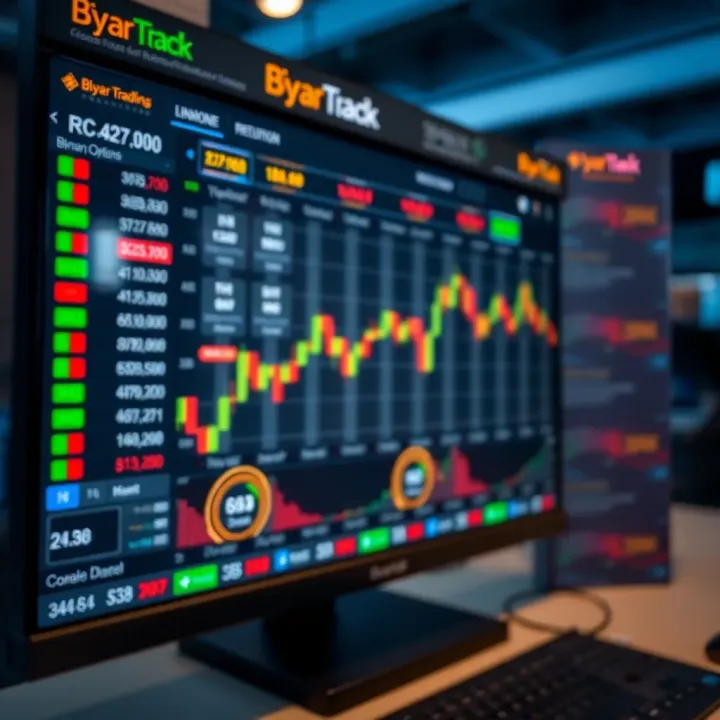
Learn how to spot real binary options platforms and avoid scams in South Africa. Tips on regulation, safe trading, and managing risks 💡📉✔️
Based on 7 reviews