
Game Trading Hours in South Africa Explained
Discover when and how game trading happens in South Africa 🇿🇦, including regulations, regional differences, and how trading hours affect prices and availability 🎯.
With South Africa's shift to Level 3 restrictions amidst ongoing health challenges, the government imposed specific rules around alcohol trading hours. These regulations aim to curb social gatherings that pose risks of virus spread, while balancing economic impacts on traders. Understanding these trading hours is key for anyone involved in the alcohol industry, from retailers to suppliers, as well as consumers planning their purchases.
Under Level 3, alcohol sales are only permitted during certain hours—typically, sales should occur from 10 am to 6 pm, Monday to Thursday. Notably, sales are banned on Fridays through Sundays and public holidays, which includes long weekends. These measures reduce late-night drinking occasions known for driving infection spikes.
Compliance with these restrictions is strictly monitored by local enforcement agencies. Traders caught selling alcohol outside the allowed hours risk hefty fines, licence suspensions, or even arrests.
For businesses, this means carefully adjusting trading hours and stock management. Retailers, from large supermarkets to bottle stores, must update staff schedules and communicate clear opening times to customers. For instance, a standalone bottle store in Pretoria would need to close by 6 pm sharp during weekdays and remain closed on weekends for alcohol sales.
Consumers are advised to plan ahead and avoid panic buying before weekend closures. Many shoppers have switched to buying during weekday afternoons to stay within legal boundaries. Some innovative traders have also shifted focus to non-alcoholic products during restricted days to maintain some revenue.
Key points to remember:
Alcohol sales allowed only between 10 am and 6 pm, Monday to Thursday
No alcohol sales Friday to Sunday and public holidays
Strict local enforcement with penalties for non-compliance
Impact on business hours, stock control, and consumer behaviour
These regulations reflect a careful balancing act: protecting public health without completely shutting down alcohol trade. For entrepreneurs and investors, staying informed about any government updates or changes to trading hours is essential to navigate risks and opportunities in this sector.
In essence, knowing the legal framework around alcohol trading during Level 3 helps businesses avoid disruptions and plan accordingly, while consumers remain on the right side of the law. It’s a fine line to tread, but clarity pays off.
Government rules on alcohol trading during Level 3 provide a vital framework that balances economic activity with public health priorities amid the ongoing pandemic. These regulations directly affect how and when alcohol can be sold, impacting traders, hospitality businesses, and consumers alike. For businesses especially, clear knowledge of these rules helps avoid costly penalties and maintain steady operations in a challenging environment.
Daily opening and closing times set the boundaries within which liquor stores, bars, and bottle stores may legally sell alcohol. Under Level 3 restrictions, sales are generally permitted between 10 am and 6 pm daily. This fixed window curtails late-night trading, which authorities associate with increased alcohol-fuelled incidents. For example, a bottle store in Johannesburg must close its counters by 6 pm, even if it's traditionally busy until later in the evening.
Differences between on-site and off-site sales are key to understanding these restrictions. On-site sales, such as those in bars and restaurants, face tighter control as patrons consume alcohol on the premises. During Level 3, many of these establishments can open only for sit-down meals and not for solely alcohol consumption. Off-site sales, where customers buy liquor to consume elsewhere, follow the 10 am to 6 pm rule strictly. This distinction affects traders’ stock management and staffing, requiring careful planning to stay compliant.
Restrictions on delivery services further complicate the picture. While delivery of food is often allowed around the clock, alcohol delivery typically aligns with the same 10 am to 6 pm window. Delivery drivers and platforms like Mr D or Uber Eats must ensure they do not breach these hours. This means a late-night liquor delivery after 6 pm could land the business in trouble, encouraging consumers to plan ahead and businesses to communicate clearly.
Conditions for liquor stores and bars include stricter adherence to trading hours and ensuring that alcohol is not sold to visibly intoxicated persons or minors. Licences remain conditional on meeting health protocols such as masking and social distancing. For example, a bar in Cape Town must monitor guest numbers carefully and enforce mask rules to keep its licence valid during Level 3.
Penalties for non-compliance can be severe, ranging from hefty fines and temporary closure to licence suspension or cancellation. Cases have emerged where repeat offenders lost their trading rights, affecting livelihoods and community trust. This highlights the importance of educating staff on regulations and investing in compliance measures.
Enforcement is not just about punishment but ensuring community safety and business sustainability under tough times.
Role of local authorities in enforcement varies by province and municipality. Enforcement officers, including inspectors from liquor boards and municipal law enforcement, carry out routine checks. Areas with stricter enforcement, like Gauteng, have seen more frequent inspections, while others may be more lenient yet proactive. Traders should maintain close contact with local authorities and local business forums to stay updated on any changes or enforcement initiatives.
These government rules form the backbone of how the alcohol trade operates under Level 3 restrictions, making it clear that understanding and adhering to the specifics is non-negotiable for survival and compliance in the current climate.
Restricted alcohol trading hours under Level 3 have a sizeable impact on South Africa’s alcohol industry, affecting retailers, hospitality venues, and the overall economic fabric tied to this sector. Adjusting to these limits requires understanding how sales volumes fluctuate, operational hurdles businesses face, and the ways companies pivot to sustain income.
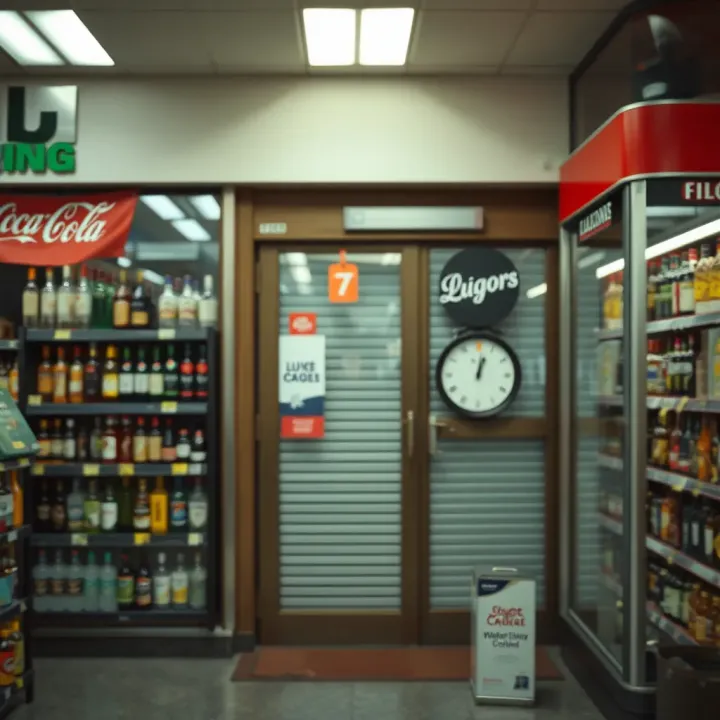
Sales volumes typically take a knock when trading hours shrink. For example, liquor stores that previously operated with longer evening hours now face a squeeze, reducing peak-hour customer flow. This often means less turnover and stock clearing, putting strain on profit margins. On the hospitality side, pubs and restaurants can’t rely on late-night drinkers, limiting revenue especially around weekends when alcohol sales usually peak.
Businesses face several practical obstacles beyond just fewer hours. Staffing gets tricky; owners must recalibrate shifts to core trading times, sometimes leading to overstaffing in shorter periods or underutilisation. There’s also the challenge of managing queues and social distancing within these limited hours, which can frustrate customers or drive them away. Poor cash flow during these times might hamper ability to pay suppliers and overheads on schedule.
To soften the blow, many outlets have shifted towards takeaway sales and home delivery options. Suppliers like Drank & Lekker have ramped up delivery services, allowing consumers to buy alcohol without breaching trading hour limits. Some bars offer pre-packed takeaway deals before closing time. These adaptations help retain customers but often introduce new costs, such as logistics or packaging, which squeeze margins further.
The restricted hours contribute to job losses across retail and hospitality sectors. Fewer operational hours mean lower income, prompting some businesses to reduce staff or cut hours. Smaller outlets without strong cash reserves risk closure. Additionally, costs don't fall proportionally; rent, utilities, and licence fees remain fixed, adding to financial pressure.
While the outlook looks tough, there is cautious optimism. As restrictions ease or trading hours extend, businesses plan to rebound by attracting customers with specials and events. Those who have embraced digital orders and home deliveries may retain a loyal clientele. However, long-term recovery depends on consistent regulatory environments and consumer confidence, which fluctuate with pandemic developments.
Various government relief efforts aim to help the alcohol industry survive the harsh periods. These include temporary tax relief, wage subsidies through the Unemployment Insurance Fund (UIF), and grant funding for small businesses. For instance, during lockdown phases, the Department of Small Business Development facilitated grants targeting affected retail outlets to help cover operational costs.
For traders and investors alike, keeping an eye on how trading hour restrictions affect business models and market performance is essential. Adaptability and understanding support mechanisms can make the difference between merely surviving and gradually thriving.
By grasping the real impact of trading hours on sales and operational costs, plus the economic ripple effects, stakeholders are better placed to make informed decisions in this constrained operating environment.
Limiting alcohol trading hours during Level 3 lockdown in South Africa serves several practical and safety-driven purposes. These restrictions aim to strike a balance between allowing businesses to operate and managing public health and safety risks. By curbing when alcohol can be sold, the government hopes to reduce behaviours that lead to problems in communities and strain on public services.
One of the main health reasons for the trading hour limits is to reduce alcohol-related injuries and illnesses that flood hospital emergency rooms. When alcohol is freely available late into the night, more incidents like violent assaults, accidents, and alcohol poisoning tend to happen. By restricting sales to specific hours—usually earlier in the evening—fewer people are drinking at high-risk times, which can ease pressure on already overstretched emergency departments, especially during the pandemic.
For example, Western Cape hospitals have frequently reported spikes in trauma cases over weekends when alcohol sales were less regulated. By limiting trading hours, the aim is to smooth out these surges, allowing medical staff to focus resources more effectively.
Alcohol can turn social occasions into volatile situations, often leading to fights, noise complaints, and gatherings exceeding prescribed limits. Controlling trading hours encourages fewer late-night meet-ups involving heavy drinking. This helps reduce the spread of Covid-19 by discouraging parties where distancing and mask-wearing are neglected.
Takeaway sales and quick drinks in townships can spiral after hours without controls. These restrictions help curb such scenarios, creating safer neighbourhoods and improving residents’ quality of life.
Alcohol-related offences—like assaults, domestic violence, and public disturbances—often spike during late-night hours. Similarly, many road accidents are tied to drunk driving after late drinking sessions. By imposing trading hours, authorities aim to decrease these risks.
The Johannesburg Metro Police Service, for instance, notes fewer alcohol-related arrests during curfew periods that tie in with restricted alcohol sales. This points to a direct connection between trading hours and public safety.
South Africa’s healthcare system has struggled with capacity challenges, intensified by Covid-19 cases. Alcohol restrictions free up emergency and trauma units by cutting down on preventable injuries. This helps hospitals allocate beds and staff towards pandemic needs rather than alcohol-related crises.
Ultimately, managing alcohol trading hours is a practical public policy tool. It protects health services, supports law enforcement efforts, and promotes safer communities while allowing room for responsible economic activity.
Such measures aren't a complete fix but form part of the broader strategy to tame the impact of alcohol amid the pandemic, balancing economic survival and societal wellbeing.
Enforcement of alcohol trading restrictions during Level 3 lockdown varies noticeably across South Africa's provinces, reflecting differences in resource availability, local priorities, and community attitudes. Understanding these provincial variations is key for businesses and investors aiming to navigate the liquor market effectively under the current regulations.
Provincial differences in applying liquor trading rules are influenced by varying government capacity and local conditions. For example, Gauteng, as the economic hub with dense urban areas, tends to have stricter enforcement, particularly in Johannesburg and Pretoria. These regions often see regular inspections and quicker penalties for breaches, reflecting a focus on controlling alcohol-related crime and hospital admissions. By contrast, some rural provinces, such as the Northern Cape or Eastern Cape, show less rigorous enforcement due to limited policing resources and logistical challenges.
This unevenness means businesses must be especially vigilant about local rules. An outlet in Cape Town might face different operating conditions and sanction risks compared to one in Durban. For investors and entrepreneurs, this creates a patchwork market where compliance strategies must be tailored locally rather than relying on a one-size-fits-all approach.
Certain provinces have adopted more lenient stances to support struggling businesses. For instance, KwaZulu-Natal rolled out community engagement programmes alongside enforcement, encouraging voluntary compliance rather than relying solely on penalties. Meanwhile, provinces like Western Cape maintained a tough stance, including fines and temporary closures for repeat offenders, aiming to reduce alcohol-fuelled incidents during lockdown.
Public feedback varies according to how strictly restrictions are applied. In provinces with harsher enforcement, some consumers and retailers express frustration, especially small business owners who rely heavily on alcohol sales for survival. Yet, these measures also have pockets of community support, particularly among groups concerned about family safety and healthcare burdens.
Businesses have adopted several strategies to cope with enforcement pressures. Some have shifted towards clearer communication with customers about permissible trading hours, often using social media and in-store signage. Others adjusted staffing to minimise operational costs during restricted hours or pivoted towards takeaway alcohol sales where allowed, reducing direct penalties for breaching on-site service times.
Many retailers also engage with local law enforcement proactively, seeking clarity and guidance on compliance to avoid fines. This relationship-building has proven effective in provinces where enforcement officers prioritize education over immediate punishment, reflecting a pragmatic approach to the economic realities faced by alcohol traders.
Compliance under lockdown is as much about understanding local enforcement patterns as it is about following national rules. Traders must keep abreast of provincial nuances to avoid costly penalties and maintain business viability.
Overall, the provincial variation in enforcement and community responses underscores the need for tailored compliance strategies. Entrepreneurs and investors should closely monitor local announcements and collaborate with industry bodies to stay informed and resilient in the face of ongoing restrictions.
Navigating the alcohol trading rules during Level 3 restrictions can be tricky for both buyers and sellers. This section focuses on practical tips to help consumers make informed purchases and businesses maintain compliance while safeguarding their profits. Understanding timings, penalties, and communication strategies will help prevent costly slips and ease day-to-day operations.
Best times to buy: The government generally permits alcohol sales only during specific hours, usually from 10 am to 6 pm. For consumers, shopping within these times is essential to avoid disappointment and legal issues. Many liquor stores and supermarkets organise stock replenishment early in the day, so visiting mid-morning often means better selection and less rush. Planning purchases ahead, especially over weekends or public holidays, can save you from queues or closed doors.
Understanding penalties for illegal sales or purchases: Buying or selling alcohol outside permitted times carries fines or even criminal charges. Consumers caught with alcohol purchased illegally risk confiscation and legal action. Similarly, retailers face hefty fines, licence suspensions, or permanent closure if found selling beyond permitted hours. For instance, a Johannesburg shop that sells alcohol after 6 pm might face SARB investigations or municipal penalties. It pays to know the exact trading hours for your province, as these may vary, and to ensure every transaction is above board.
Adjusting trading hours and staffing: Retailers and hospitality businesses should tailor their operating hours strictly to government mandates. This might involve shifting staff schedules to cover peak allowed trading hours efficiently. For example, a Cape Town tavern might open at 10 am with its core sales happening between 3 pm and 6 pm. By concentrating staff during these key hours, businesses save on labour costs while maintaining good customer service. Keeping accurate logs of operating hours can also help if inspectors visit.
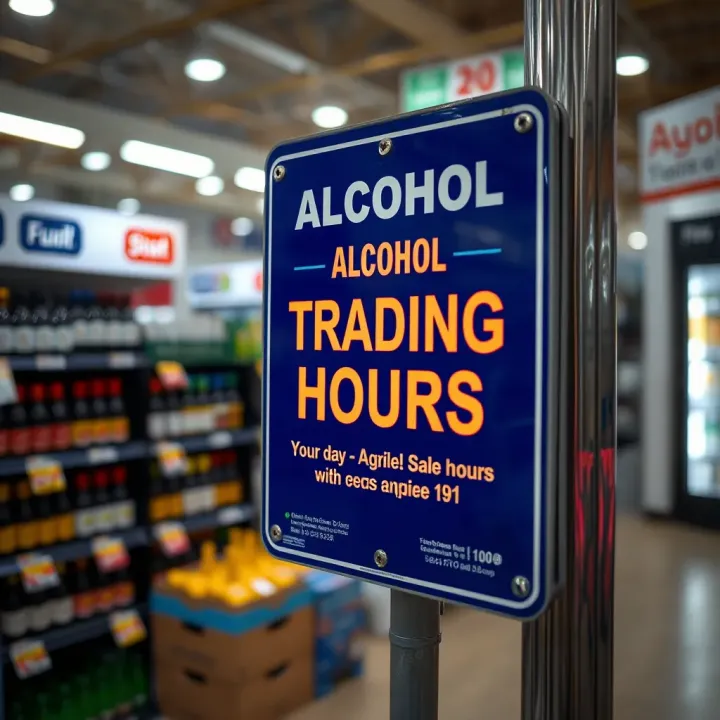
Communicating clearly with customers: Clear signage about trading hours is vital. Businesses should inform customers upfront about when alcohol sales start and end to manage expectations. Posting signs at entrances or on social media helps prevent confusion and illegal purchases. For example, a Gauteng liquor store might display: "Alcohol sales permitted daily from 10 am to 6 pm only." Staff training on the rules also ensures consistent messaging and can prevent confrontations with customers unaware of the restrictions.
Both consumers and businesses benefit from staying informed and prepared, which reduces risk and keeps South Africa’s efforts to manage public health on track during Level 3 restrictions.
This clear, practical approach ensures everyone can navigate current laws smoothly, avoiding unnecessary fines and making the most of restricted trading windows.
Discover when and how game trading happens in South Africa 🇿🇦, including regulations, regional differences, and how trading hours affect prices and availability 🎯.
⏰ Discover when gold trading hours start and end in South Africa 🇿🇦. Learn local and global market times plus tips to trade gold smartly and profitably.
📈 Learn how Forex trading times impact South African traders. Explore key sessions, time zones, and tips for optimal trading liquidity and volatility. 🌍
🕒 Discover typical general store trading hours in South Africa, regional differences, legal rules, and tips for shoppers and owners managing store availability.
Based on 12 reviews