
What to Include in a Risk Management Plan
📋 Learn what to include in a risk management plan to identify, assess, and handle risks effectively. Prepare your team for uncertainties and keep operations smooth.
Edited By
Chloe Mitchell
A solid risk management plan isn't just a tick-box exercise; it’s about preparing your business or project for possible bumps on the road ahead. Whether you’re running a startup in Johannesburg or managing a joint venture in Cape Town, identifying and handling risks can save you from costly surprises.
Risk management begins by spotting potential problems before they snowball — think supply chain hiccups that Eskom’s loadshedding might cause, or delayed permits from local municipalities. Once risks are clear, analysing their impact helps you decide which ones need urgent attention and which you can keep an eye on without panic.
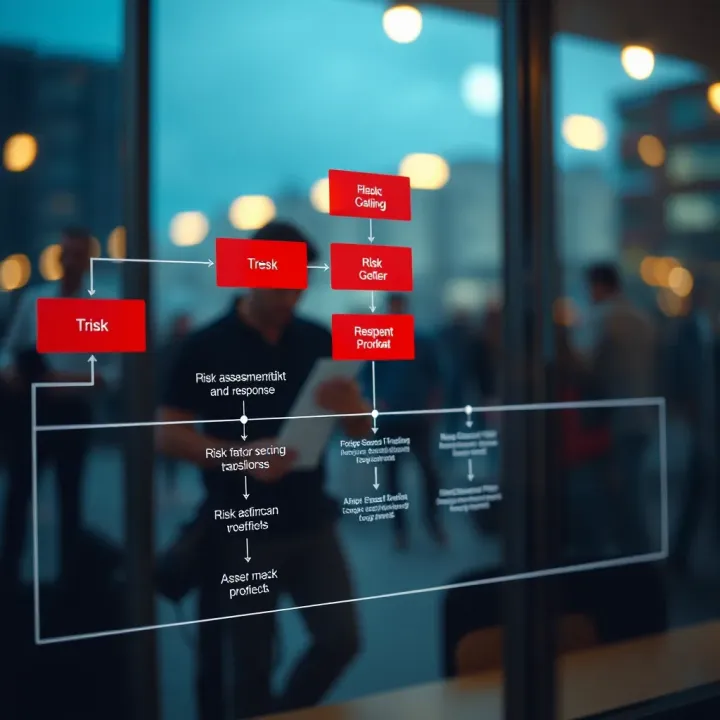
Planning responses is the next step. This means setting out clear actions to minimise the likelihood of risks or to soften their impact if they hit. For instance, a retail store in Durban might stock extra inventory ahead of a forecasted transport strike, while a construction project in Gauteng could have backup suppliers on standby.
Assigning responsibilities ensures everyone knows their part in managing risks. It’s not just the project manager’s job — from finance teams tracking budget overruns to operations staff monitoring production delays, clear accountability keeps the plan alive.
Finally, regularly monitoring and updating your plan is key. Risks evolve; a political protest today might turn into a supply shortage tomorrow. Keeping tabs means you stay ahead.
Remember, a risk management plan isn’t about avoiding every challenge but handling them smartly when they come.
In this article, we’ll break down each stage of creating a risk management plan with practical examples relevant to South African business realities. Whether you're a trader, investor, or entrepreneur, these insights aim to help you build a clear, actionable plan to protect your interests and keep projects on track.
A well-crafted risk management plan is more than just a tick-box exercise—it’s a vital tool that helps businesses prepare for uncertainty and shield themselves from avoidable shocks. In the fast-paced South African business environment, risks pop up from all directions: economic shifts, regulatory changes, supply chain hiccups, or even persistent loadshedding. A clear plan helps you spot these risks early, assess their impact, and put practical measures in place to handle them.
Risk management matters because it keeps a business agile. For instance, a local manufacturing firm facing intermittent Eskom power cuts can use a risk management plan to explore alternative energy sources, such as solar or generators, to avoid costly production delays. Without a plan, these disruptions could bleed profits and damage client trust. Besides financial losses, overlooking risks can harm reputation, legal standing, and employee morale.
A practical plan also helps entrepreneurs prioritise which risks demand immediate attention and which can be monitored over time. This approach prevents small issues from snowballing into crises and reduces panic when trouble arises. In South Africa’s context, where issues like fuel price volatility or political uncertainty can surface quickly, staying ahead is crucial. Avoiding knee-jerk decisions keeps operations seamless and maintains investor confidence.
Risk management isn’t about eliminating risks entirely—it’s about managing them smartly so your business stays on a steady course regardless of challenges.
When it comes to projects, risks can derail timelines, inflate budgets, or dilute quality. Imagine launching a new product amid fluctuating exchange rates impacting import costs. A risk management plan identifies this threat early and suggests tactics like forward exchange contracts or locally sourced materials.
Moreover, the plan defines clear roles for monitoring and responding to risks, which means teams aren’t left guessing who handles what when issues appear. This clarity speeds decision-making and cuts down on confusion, especially when projects involve multiple departments or external contractors.
Having a structured plan also helps secure buy-in from stakeholders and funders. They want reassurance that foreseeable risks are accounted for and that the project won’t go off the rails. This confidence can be the difference between a green light and a stalled proposal.
In short, a risk management plan acts as a project’s safety net, helping you avoid surprises and giving you tools to tackle obstacles without derailing your goals.
A solid risk management plan rests on a few key components that guide how risks get identified, analysed, handled, and tracked throughout a project or business activity. Understanding these elements helps traders, investors, brokers, and entrepreneurs make informed decisions, reducing surprises and boosting their chance of success.
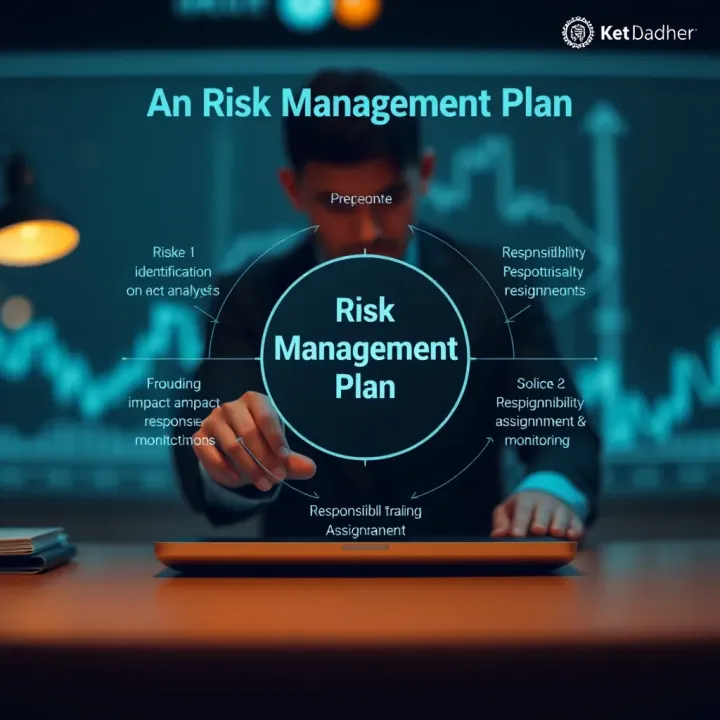
The first step is spotting all possible risks that could affect your project or business. For instance, a retail entrepreneur launching an online store needs to consider risks like supplier delays, cyber-attacks, or logistics disruptions due to strikes or load shedding. Once identified, these risks should be sorted into categories such as financial, operational, technical, or environmental. Categorising helps prioritise and assign the right experts to manage each risk category effectively.
Not all risks are born equal. It's essential to evaluate how likely a risk is to happen and the potential damage it could cause. For example, if a small local investor is exposed to currency fluctuations, the likelihood might be moderate, but the financial impact could be high. Assigning a simple rating scale—from low to high—for both impact and probability helps map out which risks deserve urgent attention and which can be monitored.
After prioritising risks, the next goal is to decide how to respond. There are generally four options: avoid, mitigate, transfer, or accept. A Johannesburg-based construction company might mitigate the risk of project delays by negotiating stricter supplier contracts and maintaining contingency stock, or transfer risk by getting insurance cover against storms or theft. In some cases, a risk may be accepted if the cost of managing it outweighs the potential loss.
A plan without clear accountability is unlikely to succeed. Each risk should have an owner responsible for monitoring, reporting, and activating the response if necessary. For example, in a fintech startup, the IT manager might handle cybersecurity risks, while the finance manager oversees currency and credit risks. Making these roles explicit ensures action is taken without delay and supports regular updates to stakeholders.
A clear risk management plan breaks down complex uncertainties into manageable parts, allowing you to anticipate bumps on the road before they trip up your project or investment.
Together, these elements form the backbone of any effective risk management plan. They provide a roadmap that helps South African businesses and investors face uncertainty pragmatically, improving resilience and decision-making.
Understanding how a risk management plan works in real life helps clarify its value. This section walks you through a practical example that touches on key parts like risk identification, assessment, and response. It gives traders, investors, and entrepreneurs a straightforward model to follow or adapt, demonstrating both benefits and challenges.
Imagine a startup fintech company launching a digital payment platform tailored for small businesses in Gauteng. The project scope includes software development, regulatory compliance, marketing, and customer service setup. The country’s current environment brings extra complexity, with frequent regulatory updates from the South African Reserve Bank (SARB) and ongoing concerns about cybersecurity threats.
The first step is gathering the team to list all potential risks, both internal and external. These include:
Regulatory changes affecting payment processing
Data breaches and hacking risks
Delays in software development due to talent shortages
Budget overruns driven by unexpected infrastructure costs
Negative market response to the product
Next, each risk is assessed on two fronts: likelihood (how probable it is) and impact (potential damage). For example, regulatory changes may have a medium likelihood but a high impact, while budget overruns might have high likelihood but medium impact. Using a simple risk matrix helps prioritise these threats clearly.
Once prioritised, responses are planned. The fintech startup’s approach could be:
Regulatory changes: Assign legal experts to monitor SARB updates continually and update the platform accordingly.
Data breaches: Implement strong encryption, conduct regular penetration testing, and establish incident response protocols.
Development delays: Secure contracts with multiple developers to spread risk, plus build a flexible timeline.
Budget overruns: Include a 15% contingency fund within the R5 million project budget.
Market reception: Run focused user testing and adapt marketing strategies based on feedback.
A solid risk management plan isn't just about ticking boxes; it’s a live tool that guides decisions, keeps projects on track, and safeguards investments.
This example highlights the practical steps and considerations that South African businesses need to factor in. Whether you're assessing normal commercial risks or those specific to local regulations and market volatility, this methodical approach can help you stay ahead of challenges and reduce costly surprises.
Effective risk management hinges on using the right tools and techniques to keep track of potential pitfalls and responses. In South African business contexts—where factors like load-shedding, fluctuating exchange rates, and evolving regulations create uncertainty—a structured approach supported by the right tools can make a huge difference. These tools help organise risks clearly, simplify communication, and ensure accountability.
At the heart of any solid risk management plan is the risk register. Think of it as the central logbook where every identified risk is listed, along with details like its cause, impact, likelihood, and the planned response. This register helps teams see the big picture without losing sight of specifics, making it easier to prioritise high-impact risks.
A risk register should be concise but comprehensive. For example, a construction company facing frequent Gauteng road closures might list delays as a risk, evaluate the impact on project timelines, and note mitigation steps such as rerouting or adjusting delivery schedules. The register is a living document, which means it should be updated regularly as conditions change.
Manual risk registers work, but digital tools take plan management up a notch. Platforms like Microsoft Excel remain popular due to their simplicity, but project management software such as Asana, Monday.com, or more specialised risk tools like LogicManager and Resolver offer features tailored for risk tracking.
These programmes enable easier collaboration across teams and automatic alerts when new risks emerge or when deadlines for mitigation actions approach. For South African entrepreneurs juggling multiple roles, cloud-based access means you can check your risk profile anytime, even if you're waiting at the robot or away from the office. That said, all software must be chosen with local cybersecurity practices in mind to comply with the Protection of Personal Information Act (POPIA).
No risk management plan remains effective if it's set and forgotten. Regular reviews ensure that new risks, changes in project scope, or external factors like shifts in SARS or municipal rates are accounted for. Schedule monthly or quarterly check-ins to update the risk register, reassess the likelihood and impact ratings, and adjust responses accordingly.
These review sessions also offer a chance to check on whether assigned roles are clear and if communication is flowing well between teams, which often makes or breaks the effectiveness of a risk plan. For instance, an investment firm should revisit its risk assessments after major economic announcements by the South African Reserve Bank (SARB) or changes in the JSE market to remain responsive.
Keeping your risk management tools up to date and accessible turns vague worries into manageable actions, helping your business stay one step ahead in an unpredictable environment.
Risk management plans are only as good as their execution. South African traders, investors, and entrepreneurs often face obstacles that can undermine even the most well-crafted strategies. Understanding common pitfalls and how to tackle them is integral to keeping your plan on track.
One major challenge is downplaying risks or missing early warning signs. This often happens when businesses rely on past success and assume “things will continue as usual”. For example, a Gauteng-based exporter ignoring fluctuating exchange rates might suddenly find profits eroded as the rand weakens unexpectedly. To avoid this, businesses should regularly review local and global market trends and encourage open discussions about potential threats—even uncomfortable ones. Setting up early detection systems using financial software or alerts on platforms like the JSE can flag risks before they escalate.
Miscommunication and unclear accountability can derail risk management efforts. When team members don’t know their roles or hesitate to raise concerns, risks go unnoticed or unaddressed. For instance, during a construction project in Cape Town, if the site manager does not update the project head on safety hazards promptly, the ramifications could be severe, both legally and financially. Clear lines of communication and responsibility must be established from the outset. Regular risk meetings, accessible reporting tools, and a culture that welcomes honest feedback create a more resilient risk environment.
No risk management plan stays static—changes in market conditions, legislation, or operational realities can quickly make yesterday’s plan outdated. South African businesses, especially in sectors affected by loadshedding or fluctuating fuel prices, must be ready to revise their strategies swiftly. Take the retail sector during festive season: supply chain disruptions frequently require quick shifts in stock strategies to avoid lost sales. A flexible plan includes periodic reviews, contingency budgets, and alternative suppliers or logistics routes. Embedding adaptability ensures risk plans remain relevant and effective.
Successful risk management isn't just about spotting dangers; it's about staying alert, communicating clearly, and being ready to change tack when needed.
By anticipating these challenges and addressing them head-on, your risk management plan becomes a practical, living document—not just paperwork gathering dust. That’s especially valuable for South African markets, where unpredictability is often the name of the game.
📋 Learn what to include in a risk management plan to identify, assess, and handle risks effectively. Prepare your team for uncertainties and keep operations smooth.

🏗️ Learn how to identify, assess, and manage risks in South African construction projects. Stay compliant with local laws and keep your plan updated effectively.
Explore how risk management helps spot threats, assess impact, and apply smart strategies to protect businesses. Learn key steps like monitoring & communication 📊🔍
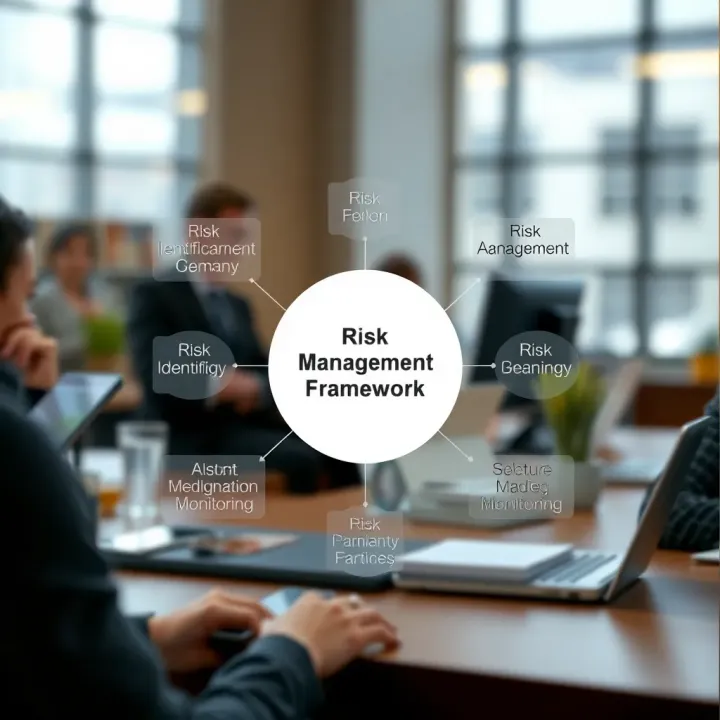
Explore key risk management frameworks ⚖️, their roles, components & how businesses in South Africa can pick the best fit to manage risks effectively.
Based on 13 reviews