

Binary Option Brokers in South Africa: Key Facts
Explore the world of binary option brokers in South Africa ⚖️ Understand trading basics, local rules, risks, and find trusted platforms to trade smarter 💡
Edited By
Natalie Rivers
Binary options have attracted many South Africans hoping to make quick money from their investments. The concept seems straightforward: you predict the rise or fall of an asset's price within a short timeframe and either profit or lose your stake. However, this simplicity has opened the door for countless scams that trap unsuspecting investors.
Binary option scams often promise guaranteed returns, easy profits, and minimal risk—claims that sound too good to be true because they usually are. These schemes lure victims through flashy advertising, unsolicited calls, or social media promotions, offering high returns on small deposits. In reality, such platforms often manipulate prices or refuse withdrawals, leaving investors empty-handed.
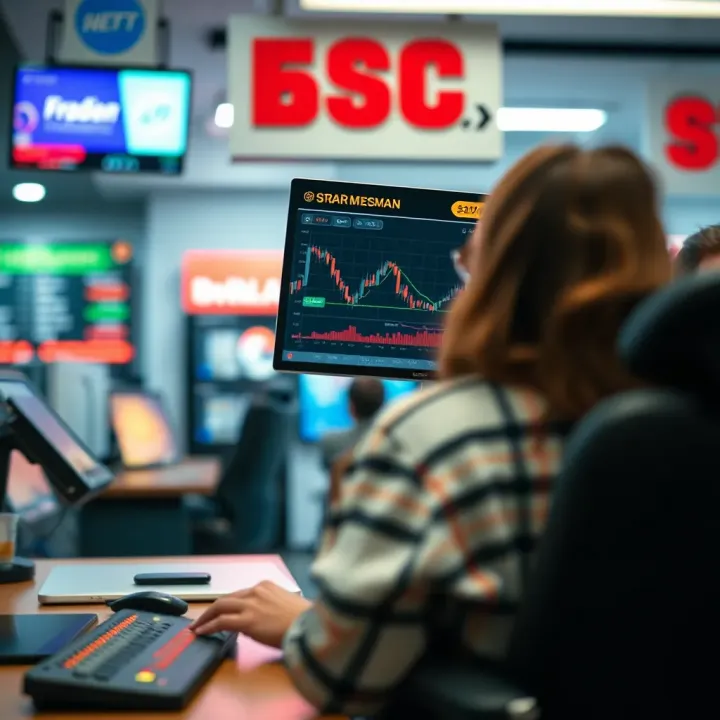
Understanding how these scams work is vital to avoid falling into their trap. Many operate offshore, beyond the reach of South African regulators like the Financial Sector Conduct Authority (FSCA). They exploit local investors who may not be fully aware of the risks involved or the warning signs.
Spotting the red flags early can save you from losing thousands of rands to fraudulent traders.
Typical signs include:
Unsolicited contact: Calls or messages from brokers you never approached
Pressure tactics: Urging you to deposit more money quickly
Unrealistic promises: Guaranteed high returns with no risk
Complex withdrawal processes: Delaying or denying your payout requests
Lack of FSCA registration: No credible licence or registration number
To protect yourself, always verify broker licences via the FSCA’s public registers and use established trading platforms. Avoid rushing into agreements or sharing sensitive financial details with unknown parties.
In South Africa, consumer protection laws can offer some recourse, but prevention remains the best tool. Educate yourself about binary options and consider safer investment alternatives like regulated stocks, exchange-traded funds (ETFs), or fixed deposits.
This article will guide you through recognising these scams, understanding the legal framework, and making smarter investment choices to keep your money safe in a tricky market.
Binary option scams have grown in South Africa as people look for quick ways to grow their money, especially during times when economic uncertainties make traditional investing less appealing. Understanding these scams helps you avoid losing your hard-earned cash and protects you from becoming a victim of fraudulent schemes.
In simple terms, a binary option is a type of financial bet where you predict whether the price of an asset—like gold, shares, or currencies—will go up or down within a short period, often minutes or hours. If your prediction is right, you get a fixed payout. If wrong, you lose your stake. The "binary" part means there are only two outcomes: win or lose.
Scammers exploit this simplicity by setting up fake trading platforms or misleading offers that promise easy money. They might offer unrealistic payouts, fake account statements showing profits, or create complex interfaces that look legit but only serve to trap your funds.
A typical scam platform might show your balance rising rapidly, tempting you to invest more. Once you try to withdraw, delays and excuses start piling up until you lose patience or give up, leaving your money stuck with criminals.
Binary options attract many South Africans because they come across as a straightforward and fast route to profit. The short-term nature and clear outcomes sound less complicated than traditional investing. Plus, some scammers cast their nets by claiming high returns with low risk—something few legitimate investments can promise.
For example, an unemployed young person might see ads claiming you can turn R500 into R5,000 in a day. This can be tempting when job opportunities are tight, and loadshedding disrupts other income streams. Also, the ability to start with small amounts makes it seem low-risk.
But the catch is that these platforms are often rigged or run by operators with no legal standing. Instead of real trading, it’s a set-up to drain your deposits. Investors chasing easy profits without understanding how markets work become easy targets.
The key is to remember: if something sounds too good to be true, especially when someone pressures you to act quickly, it usually is.
Recognising what binary option scams are and how they function is the first step to steering clear. Later sections will explain common tactics scammers use and how you can protect yourself by spotting red flags and choosing safer investment options that comply with South African regulations.
Binary option scammers use various tricks to lure investors and keep them hooked. Understanding these tactics helps you spot red flags early and avoid falling victim. It’s not just about flashy promises but the sneaky ways scammers build false confidence and pressure you to hand over more cash.
One common ploy is offering fake trading platforms or apps that look just like legit ones but are rigged. These platforms often show your trades ‘‘winning’’ initially to build trust. For instance, you might place a bet predicting the rise of the rand within minutes, and the platform shows you profiting. But once you try to withdraw your money, you hit a brick wall, or the app suddenly crashes. These platforms don’t run true market data; instead, they manipulate outcomes to keep you depositing.
Many of these apps are downloadable from unofficial sites or appear through aggressive online ads. They often lack proper licensing or regulation from bodies like the Financial Sector Conduct Authority (FSCA), which is a major warning sign.

Scammers often promise sky-high returns with ‘guaranteed profits’ or ‘risk-free trading’. For example, you might get promises like “double your investment in a week” or “we have insider info”. These claims play on the hope of easy money and the desire to beat the market without real effort.
But binary options, by nature, carry high risk; no legitimate broker offers guaranteed returns. If it sounds too good to be true, it usually is. Besides, these scams rarely explain the real odds or potential losses, focusing only on the shiny upside.
Once you’re hooked, scammers ramp up pressure to invest more. They might call or Whatsapp you saying you’re “missing out” or offer ‘exclusive deals’ if you top up quickly. Some even pretend to be account managers guiding your trades, urging you to place bigger bets.
This tactic preys on fear of loss or greed. A typical scenario could be you making a small profit, and then the scammer convinces you to deposit R10,000 more, promising even higher returns. But often, this just deepens your losses or makes it harder to withdraw your initial deposits.
Always remember: No reputable financial service will rush you into making decisions or demand extra money unexpectedly.
Recognising these tactics early saves you from costly mistakes. Stay sharp, ask questions, and never feel pressured in your investment choices.
Recognising warning signs is your best shield against falling victim to binary option scams. These scams thrive on enticing promises and deceptive practices, so spotting the red flags early can save you loads of heartache and money. Understanding these warning signs helps you separate genuine online investment opportunities from risky traps.
If someone promises you eye-watering returns like 80% to 90% profit in just a few hours or days, be cautious. Legitimate investments seldom guarantee fixed returns, especially not at such high rates. For example, a platform claiming you’ll double your R10,000 investment in a week should raise alarm bells. Scammers often sell confidence with unrealistic guarantees to hook investors quickly. Remember, no honest broker can guarantee profits given markets are unpredictable.
One major clue that a binary options platform might be dodgy is a lack of clear information about its operation and regulation. Check if the platform is regulated by recognised bodies like South Africa’s Financial Sector Conduct Authority (FSCA). Many scams operate from overseas with no local licences or oversight. They might hide contact details, omit terms and conditions, or use confusing legal jargon. This opacity is a clear warning — if you cannot verify who runs the platform or how your money is managed, it’s best to steer clear.
A common scam tactic involves making it near impossible for you to withdraw your money, especially your profits. You might notice delays, extra fees, or demands to deposit more funds before payouts. For instance, you could be told to pay “processing fees” or “taxes” upfront or be hit with confusing rules about minimum withdrawal amounts. Legitimate platforms handle withdrawals professionally and transparently. If you start feeling like you’re chasing your own money, it’s usually a sign you’re tangled in a scam.
Always research a binary options platform thoroughly before funding it. Check reviews, ask fellow traders, and confirm its licensing. That way, you avoid the pitfalls and protect your capital from fraudulent schemes.
Being alert to these warning signs helps you avoid pain and loss. It’s better to miss out on a tricky deal than to trust a scam that disappears with your money.
South Africa has taken steps to create a legal environment aimed at protecting consumers and investors from financial scams, including those involving binary options. Knowing this framework helps investors recognise their rights and understand how the law can shield them from dishonest trading practices. The legal system also provides avenues for recourse if things go wrong.
Financial services in South Africa are regulated to ensure fair dealing, transparency, and the safety of investors’ money. The cornerstone of this regulation is the Financial Advisory and Intermediary Services Act (FAIS Act), which requires anyone offering financial advice or intermediary services to be licensed and follow strict conduct standards. For binary options, this means that brokers offering these products must comply with these rules or risk operating illegally.
Additionally, laws covering the Financial Intelligence Centre Act (FICA) come into play, designed to prevent money laundering and financial crimes. FICA requires institutions to verify the identity of their clients—a trick scam operators often bypass by using fake identities or offshore setups. South African investors should therefore check if their broker is registered and compliant with both FAIS and FICA regulations.
The Financial Sector Conduct Authority (FSCA) acts as the watchdog for financial markets in South Africa, overseeing that entities behave honestly and in line with the law. The FSCA maintains a public register of authorised financial services providers, which investors can consult before engaging with brokers.
The FSCA actively investigates complaints related to scams and unauthorized financial activities. While its enforcement powers are substantial, the ongoing challenge remains firms operating outside South African jurisdiction or without registration. That’s why the FSCA advises caution when dealing with unknown platforms promising quick, high returns.
Tip: Always verify with the FSCA’s register before signing up or depositing money with any trading platform.
If you suspect you’ve encountered a binary option scam, timely action improves your chances of recovery or stopping further harm. Follow these practical steps:
Contact the FSCA to lodge a formal complaint with all relevant details about the broker or scam.
Inform your bank or payment provider immediately to alert them of potential fraudulent transactions and possibly halt any further payments.
Report to the South African Police Service (SAPS), especially if you suspect identity theft or criminal fraud.
Notify other affected parties or consumer protection groups, such as the National Consumer Commission, which can assist in consumer rights enforcement.
By understanding South Africa’s legal structures and knowing how to report fraud effectively, investors can avoid falling prey to scams or mitigate their impact quickly. The protections are there, but you have to make use of them.
Protecting yourself against binary option scams starts with awareness and a cautious approach. These scams often prey on eagerness to make quick money, so knowing how to shield yourself can save both your cash and peace of mind. The sections below outline practical steps South African investors should take to avoid falling foul of fraudulent schemes.
Research is your first line of defence. Before handing over any funds, dig into the background of the platform or broker. Check if the company has a valid Financial Sector Conduct Authority (FSCA) registration, which is the official regulatory body overseeing financial service providers in South Africa. For example, the FSCA’s online register can confirm whether a broker is authorised to operate locally.
Look for user reviews on independent forums and avoid relying solely on glowing testimonials on the platform’s website; these can be faked. For instance, several victims of binary option scams reported smooth, convincing websites yet found it impossible to withdraw funds later. Also, be cautious of platforms that offer guarantees of high returns with no risk—this is often a red flag.
Always choose brokers regulated by a recognised authority. In South Africa, this means checking if the broker complies with FSCA rules. International regulation can also be a plus, but caution is needed. Many scam sites claim licenses from obscure regulators often used only by fraudulent entities.
Using a regulated platform means your investment is subject to oversight, and there are channels to lodge complaints if things go awry. For example, reputable brokers require identification and adhere to the Financial Intelligence Centre Act (FICA) for client verification. This adds a layer of protection against money laundering and fraud.
Scammers often push investors to deposit more money quickly or lock in deals on the spot. They might call repeatedly, urging you to top up your account or risk losing out. It’s vital to resist this pressure and take your time.
A legitimate broker or financial adviser will respect your decision-making process and give you space to consider your options. If a caller insists on urgent investment or uses emotional appeals, be suspicious. For instance, stories of investors being hurried into deposits only to find their accounts blocked soon after are common.
Always remember: fast decisions often lead to slow regrets. Taking your time, researching properly, and sticking to regulated platforms are key steps to avoiding binary option scams in South Africa.
With these measures, you place yourself in a better position to spot dishonest behaviour early and protect your hard-earned money.
When steering clear of risky schemes like binary option scams, it's vital to turn to investment vehicles that offer transparency and regulation. Safer alternatives don't just reduce the chance of losing money to fraud; they also provide real opportunities to grow your capital responsibly. Let's look at some options that South African investors typically consider.
Buying shares in established companies listed on the Johannesburg Stock Exchange (JSE) is a time-tested way to invest. Through stock trading, you own a piece of a company and can benefit from dividends and capital growth. Firms like Naspers, Sasol, and Shoprite offer varying risk profiles depending on your appetite. Remember to choose a licensed stockbroker regulated by the Financial Sector Conduct Authority (FSCA) to ensure your investments are protected.
Trading shares requires some market knowledge but offers great control over your choices. You can buy and sell shares as you see fit and analyse company performance, economic conditions, and news that affect share prices. Unlike binary options, your risks are tied to actual businesses.
If direct share trading feels too hands-on, ETFs and unit trusts provide a way to diversify without individually selecting stocks. ETFs track a basket of stocks or an index and trade like shares on the JSE. For example, the Satrix 40 ETF gives exposure to the 40 largest companies on the JSE, spreading your risk across sectors.
Unit trusts pool money from multiple investors and are managed by professionals. This suits those who prefer a more hands-off approach but still want access to diversified portfolios. It’s important to check for low fees and understand the specific fund’s strategy.
Both ETFs and unit trusts fall within regulated financial products, offering transparency, regular reporting, and investor protection.
Cryptocurrency trading has become popular but comes with unique risks that need careful handling. While digital currencies like Bitcoin and Ethereum offer high volatility and potential returns, they aren't regulated by South African authorities like the FSCA, which means fewer protections if something goes wrong.
If you're considering crypto, only use reputable South African platforms such as Luno or VALR. Verify the platform’s security measures and avoid schemes promising guaranteed profits. Crypto investing requires a strong stomach for price swings and a good understanding of blockchain basics.
While no investment is risk-free, choosing regulated and legitimate avenues offers better chances for steady growth and fewer headaches down the line. Investing through authorised brokers and established products protects you from scams masquerading as easy money.
Ultimately, shifting your focus from quick profit traps to reliable, transparent investments will serve you better and help build wealth over time — not just chase short-term gains. Keep educating yourself about how these markets work and consult trusted advisers when in doubt.
Explore the world of binary option brokers in South Africa ⚖️ Understand trading basics, local rules, risks, and find trusted platforms to trade smarter 💡

Learn how to spot real binary options platforms and avoid scams in South Africa. Tips on regulation, safe trading, and managing risks 💡📉✔️

📈 Learn how binary options trading works in South Africa, understand the risks, legal details, and find practical tips to trade safely on local platforms.

📈 Learn how binary investments work, the risks involved, and practical tips for South African investors to trade safely, use platforms wisely, and manage risks effectively.
Based on 6 reviews